
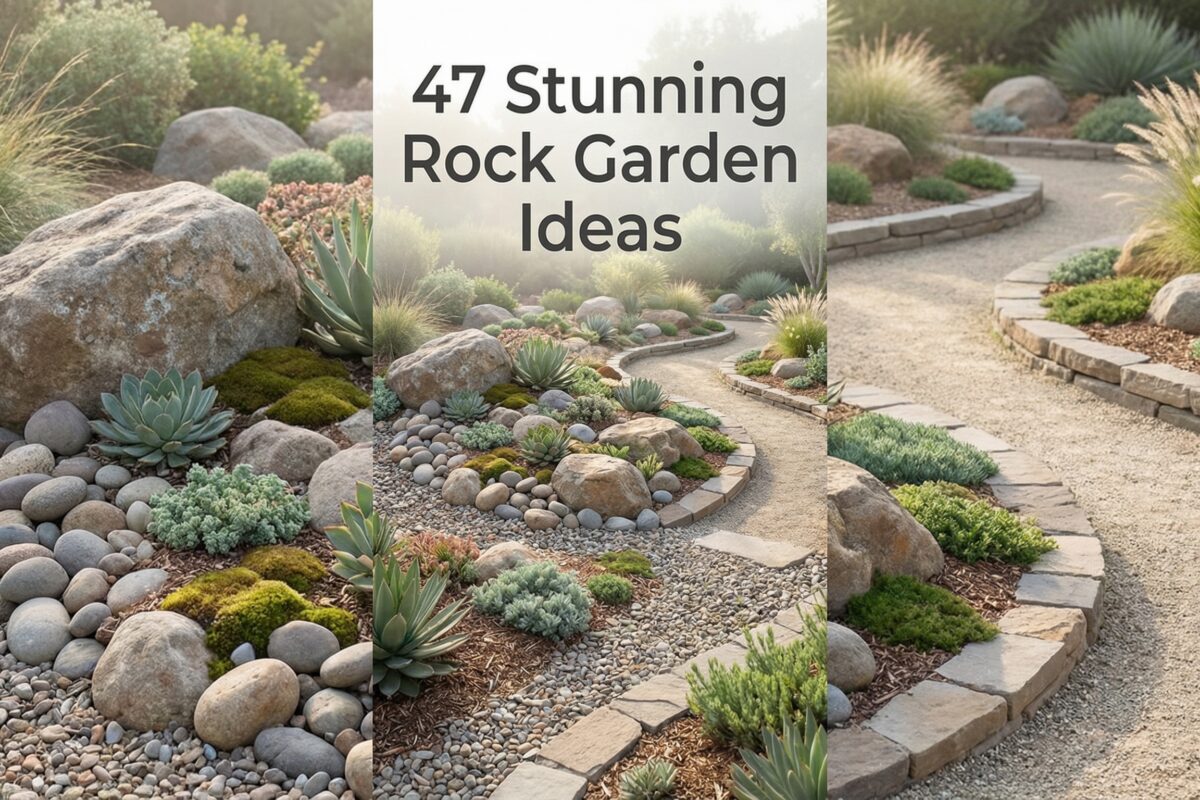
Transform Your Landscape with the Timeless Beauty of Rock Gardens
The Enduring Appeal of Rock Gardens
Rock gardens represent one of the most versatile and rewarding landscape design choices available to homeowners. Whether you’re working with a challenging slope, seeking a low-maintenance landscape solution, creating habitat for alpine plants, or simply drawn to the natural beauty of stone, rock gardens offer endless possibilities for creativity and expression.
From the serene simplicity of Japanese zen gardens to the colorful abundance of alpine meadows, from water-wise xeriscapes to lush woodland settings, rock gardens adapt to virtually any climate, style preference, and functional need. They provide excellent drainage for plants that demand it, create stunning focal points, solve erosion problems, and bring year-round structure and beauty to landscapes.
In this comprehensive guide, we’ll explore 47 stunning rock garden designs spanning every style imaginable. You’ll discover how to create alpine terraces, zen meditation spaces, drought-tolerant desert gardens, naturalistic wildflower meadows, and everything in between. Whether you have a small corner to transform or an entire hillside to landscape, you’ll find inspiration and practical guidance for creating your own rock garden masterpiece.
Why Choose a Rock Garden?
Before diving into specific designs, let’s explore why rock gardens have remained popular across cultures and centuries:
- Low Maintenance: Once established, rock gardens require minimal watering, mowing, and upkeep
- Water Conservation: Ideal for drought-prone areas and water-wise landscaping
- Problem-Solving: Perfect for slopes, poor soil, and challenging drainage situations
- Year-Round Interest: Stone provides structure in every season, evergreens add winter color
- Biodiversity: Creates habitat for specialized plants, beneficial insects, and wildlife
- Artistic Expression: Combines natural materials in endlessly creative ways
- Property Value: Professional rock gardens enhance curb appeal and home value
Alpine & Mountain-Inspired Rock Gardens
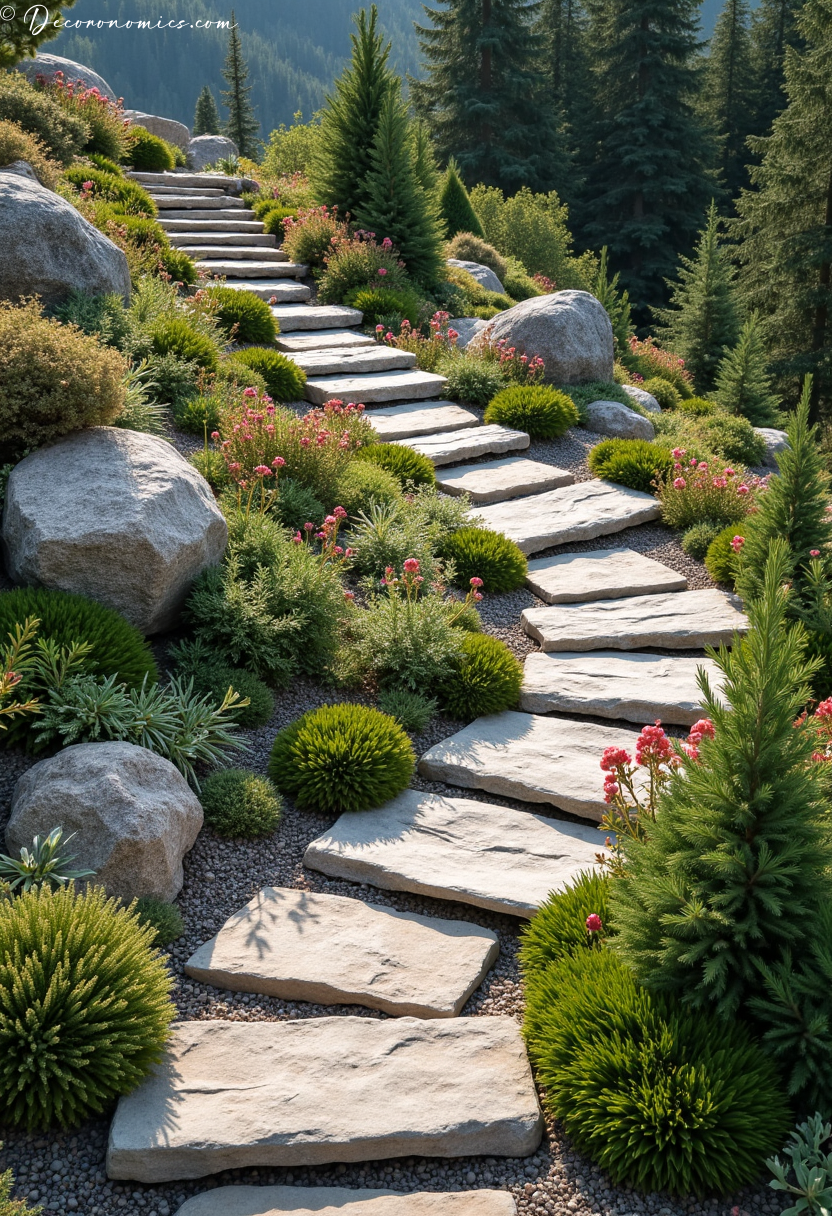
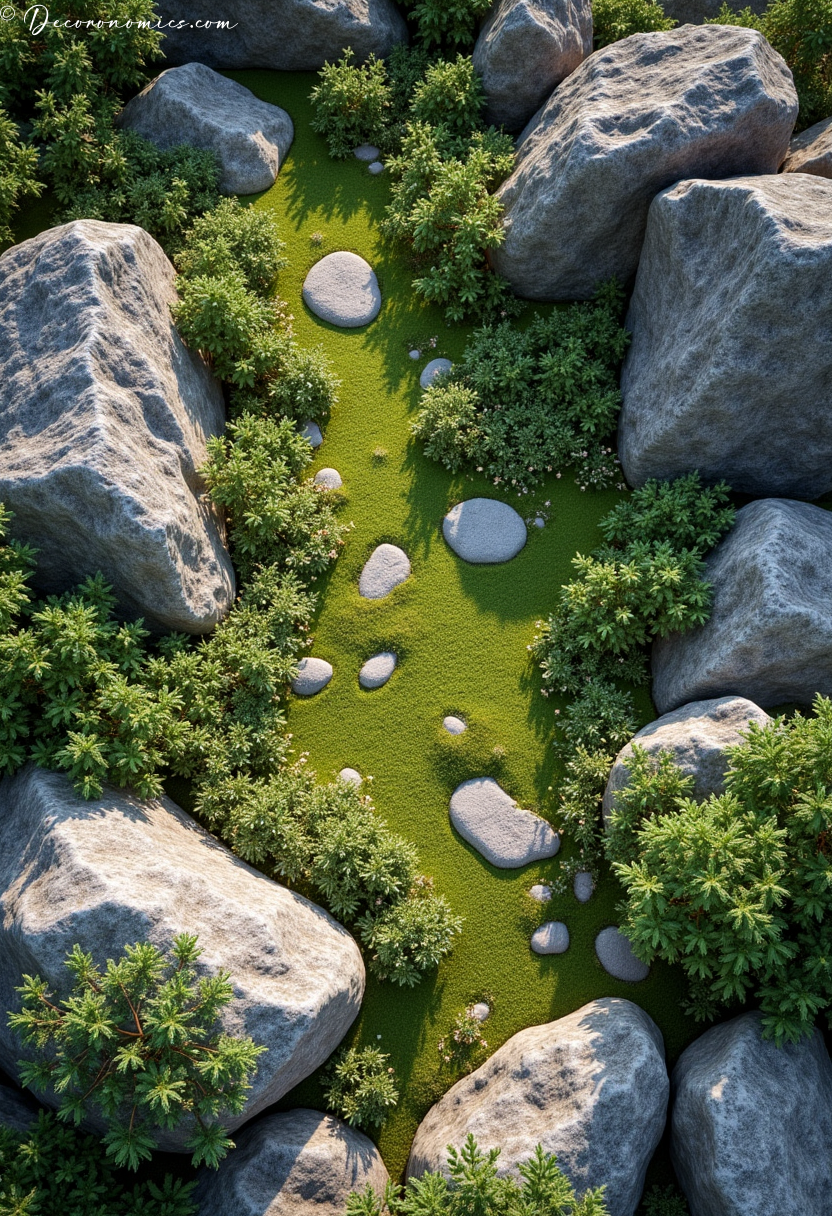
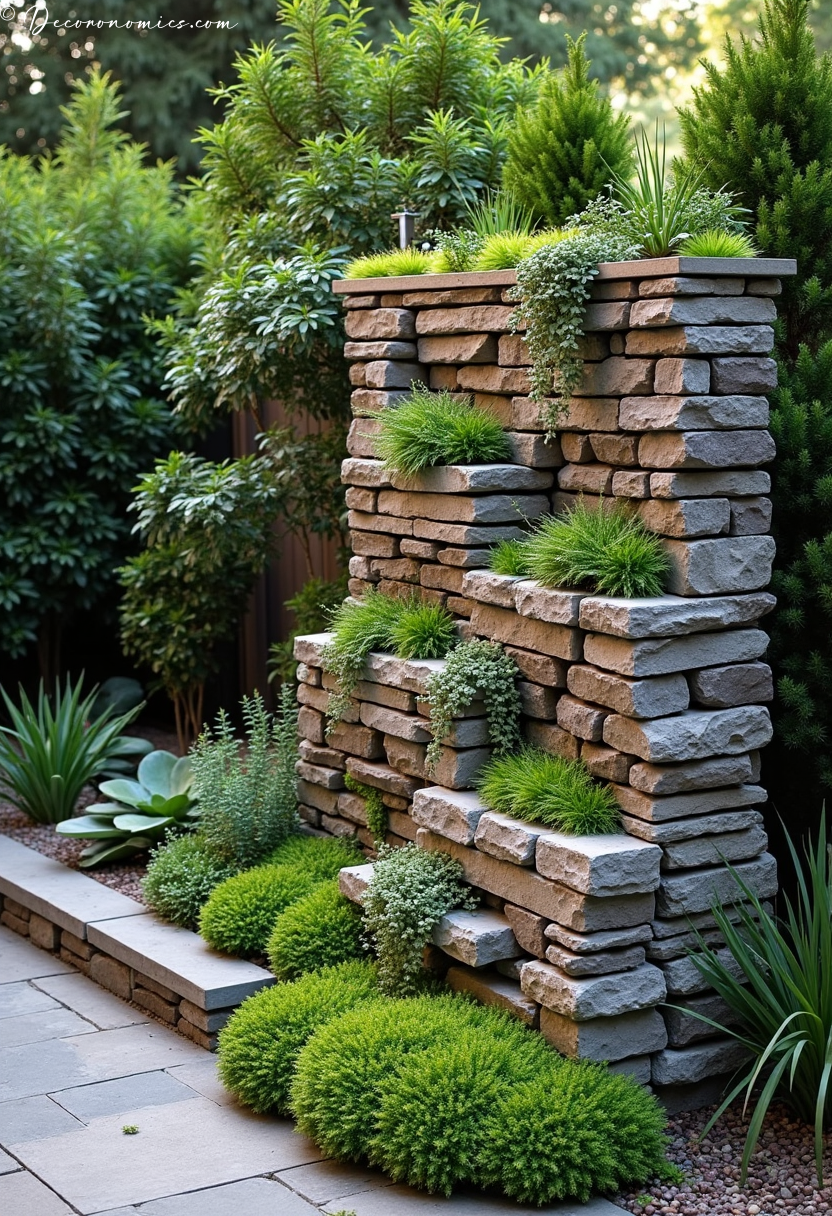
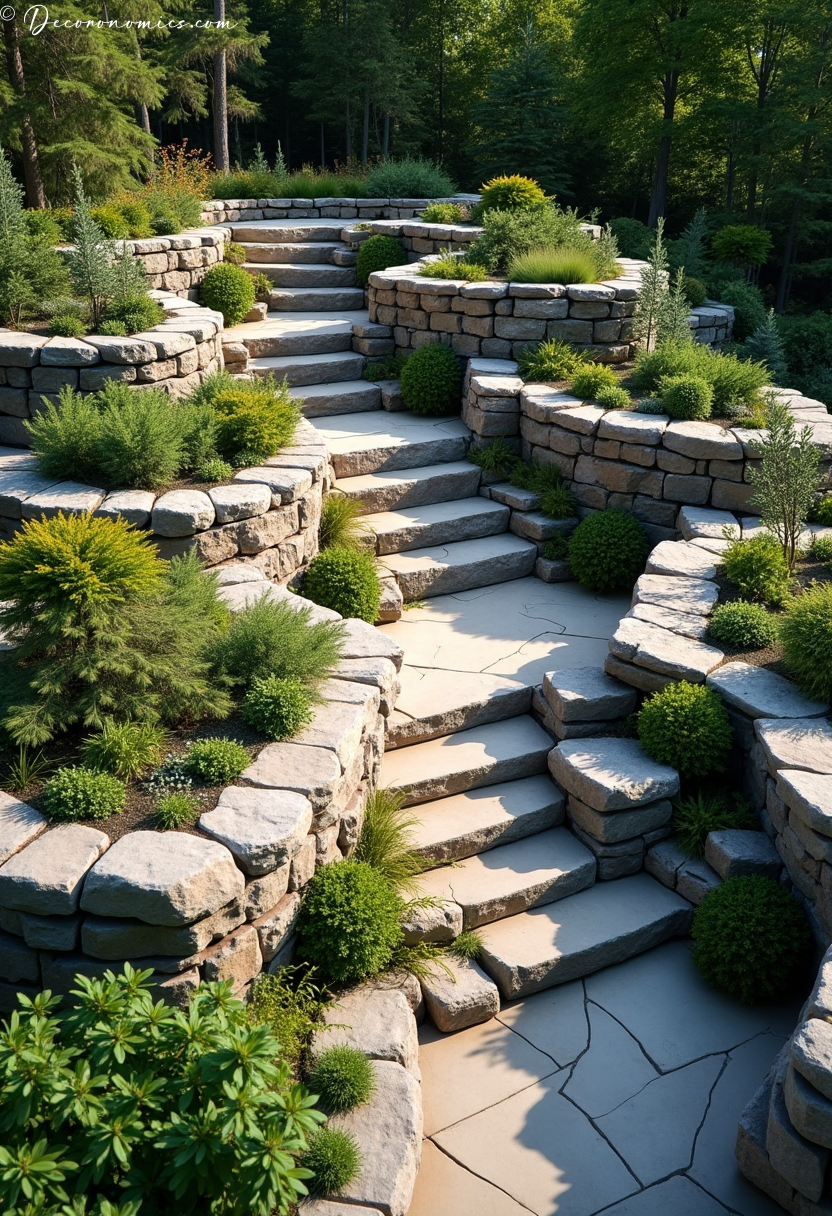
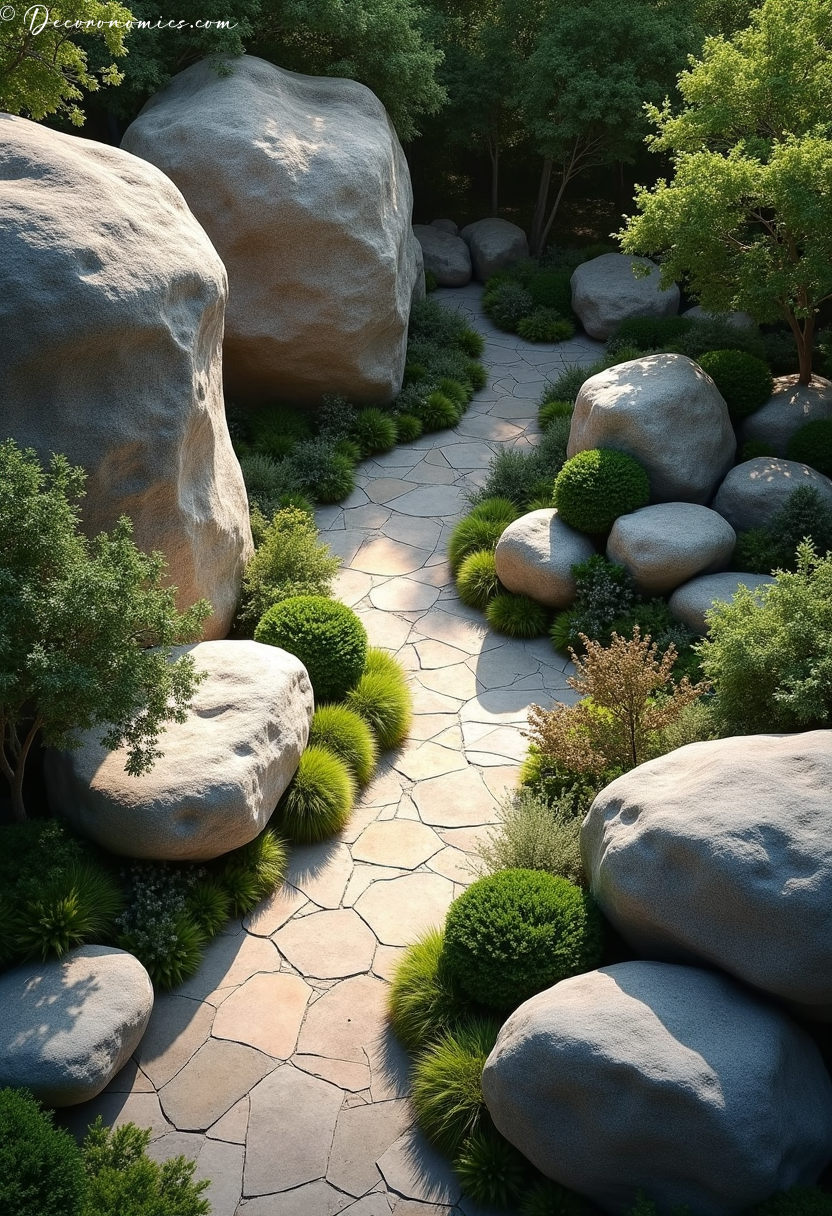
Alpine rock gardens recreate the stunning beauty of mountain meadows and slopes. These gardens feature low-growing perennials, dwarf conifers, and carefully arranged stones that mimic natural alpine landscapes.
Classic alpine terraced design High alpine meadow recreation Vertical raised alpine bed Alpine scree slope with drainage Multi-tiered alpine terraces Dramatic boulder outcrop
🏔️ Alpine Garden Tips:
Choose compact, low-growing alpine plants • Ensure excellent drainage with gritty soil mix • Position rocks to create natural-looking outcrops • Include dwarf conifers for year-round structure • Plant in crevices between rocks for authentic look • Mulch with gravel to suppress weeds and retain moisture
Japanese Zen & Asian-Inspired Rock Gardens
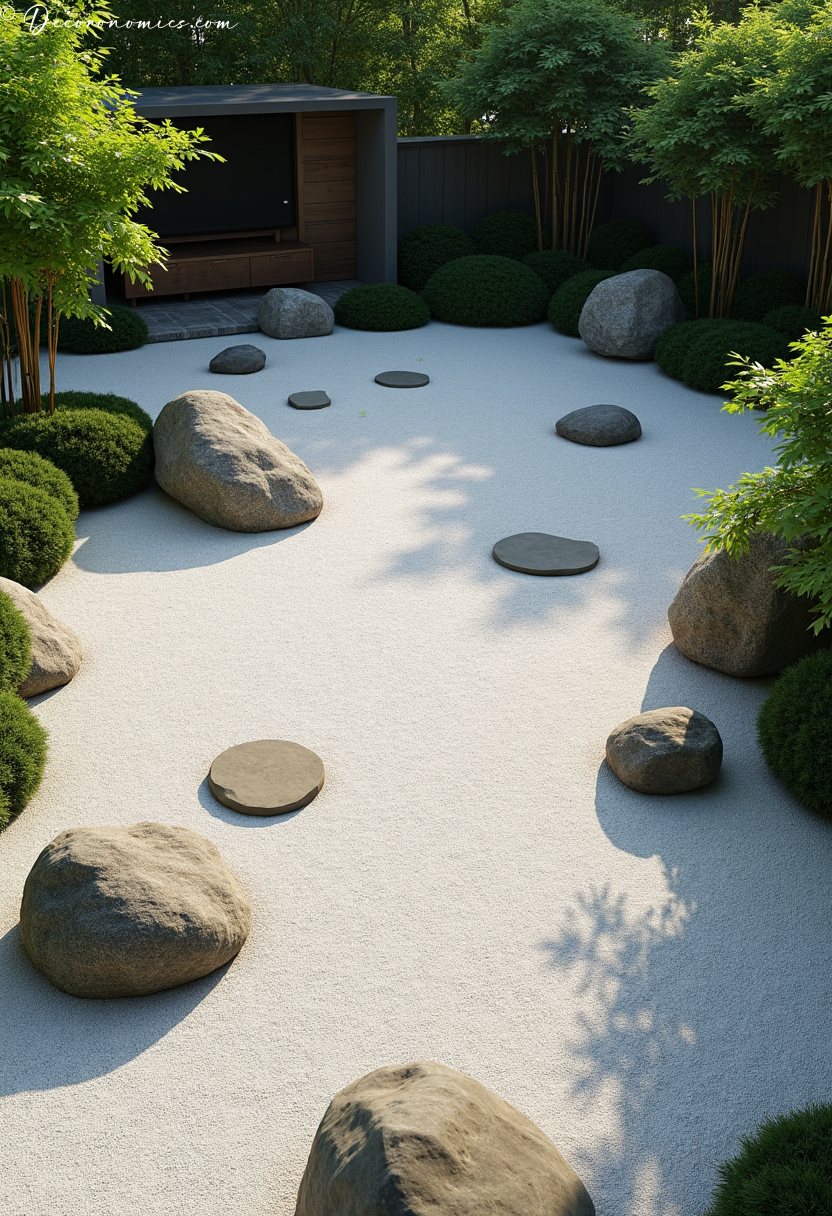
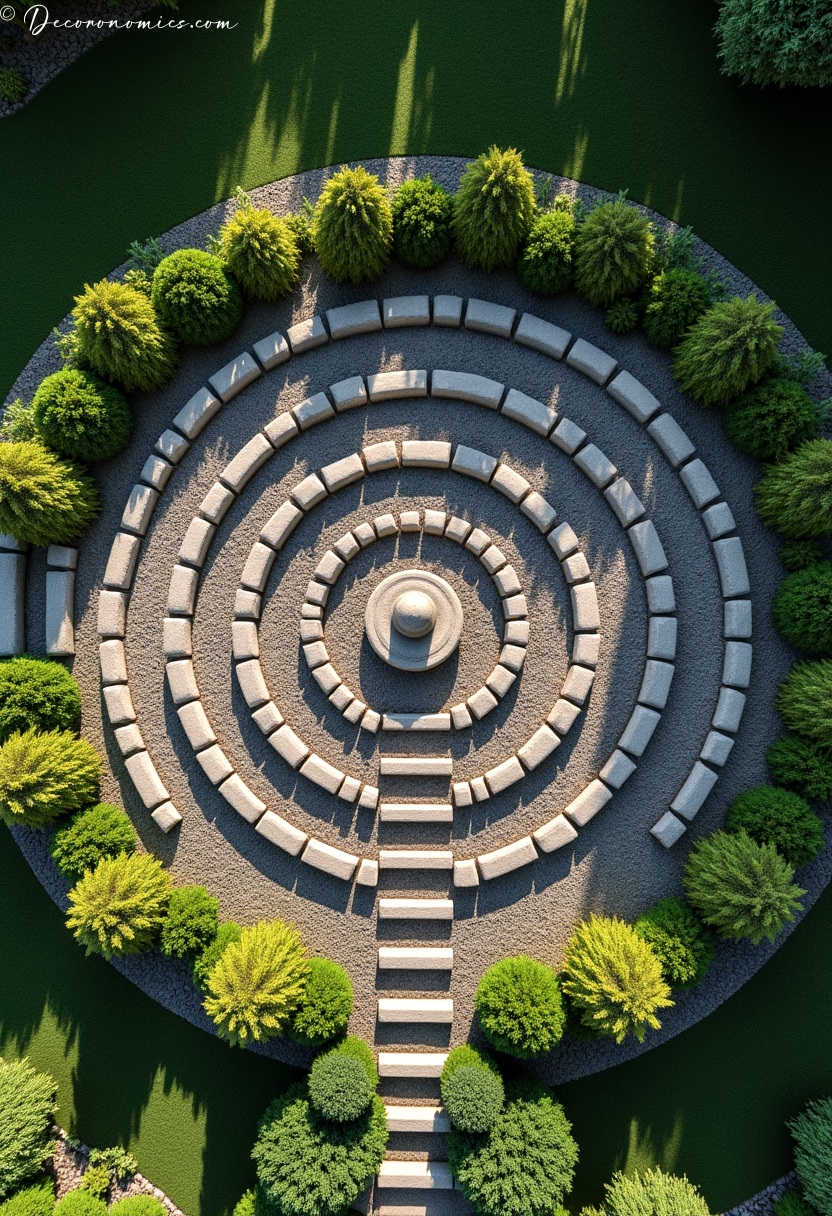
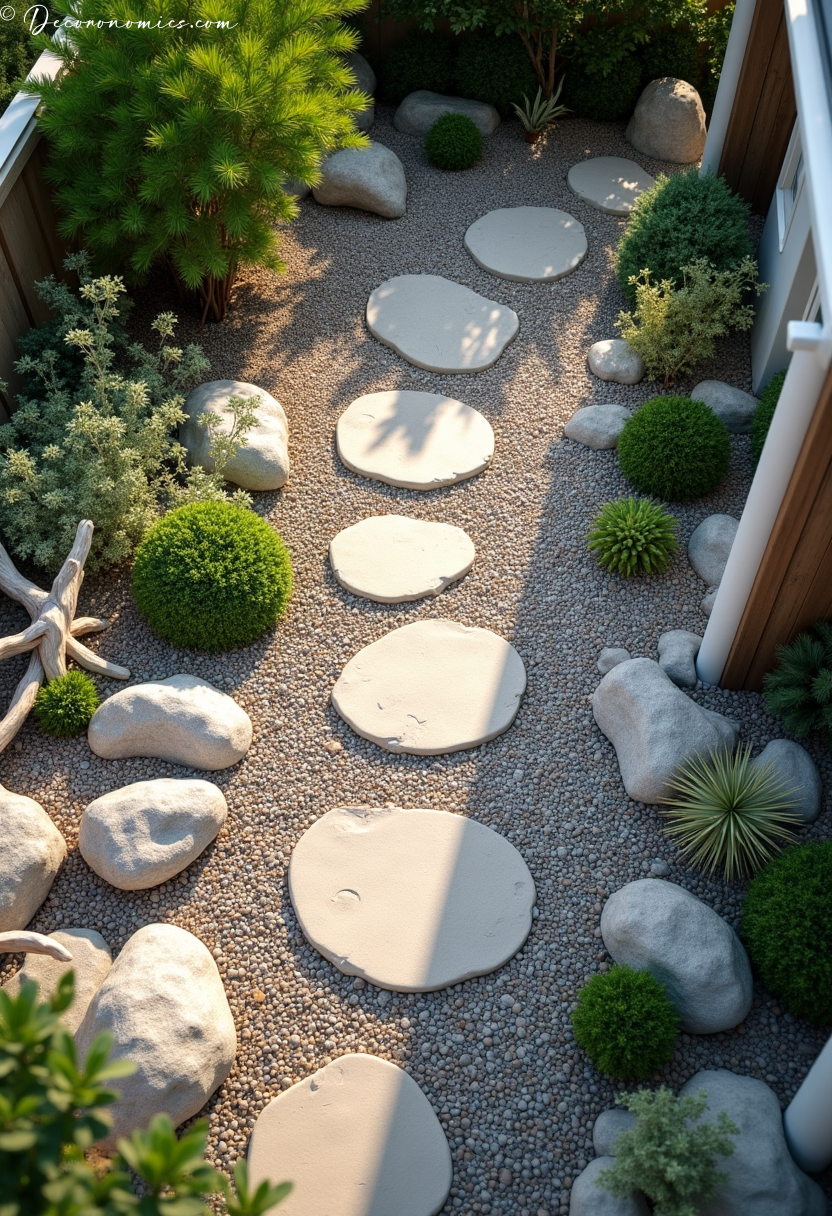
Japanese rock gardens, or karesansui, use carefully placed stones, raked gravel, and minimal plantings to create spaces for meditation and contemplation. These designs emphasize simplicity, balance, and symbolic meaning.
Classic zen raked gravel design Contemporary zen minimalism Sculptural stone cairn feature Geometric spiral rock design

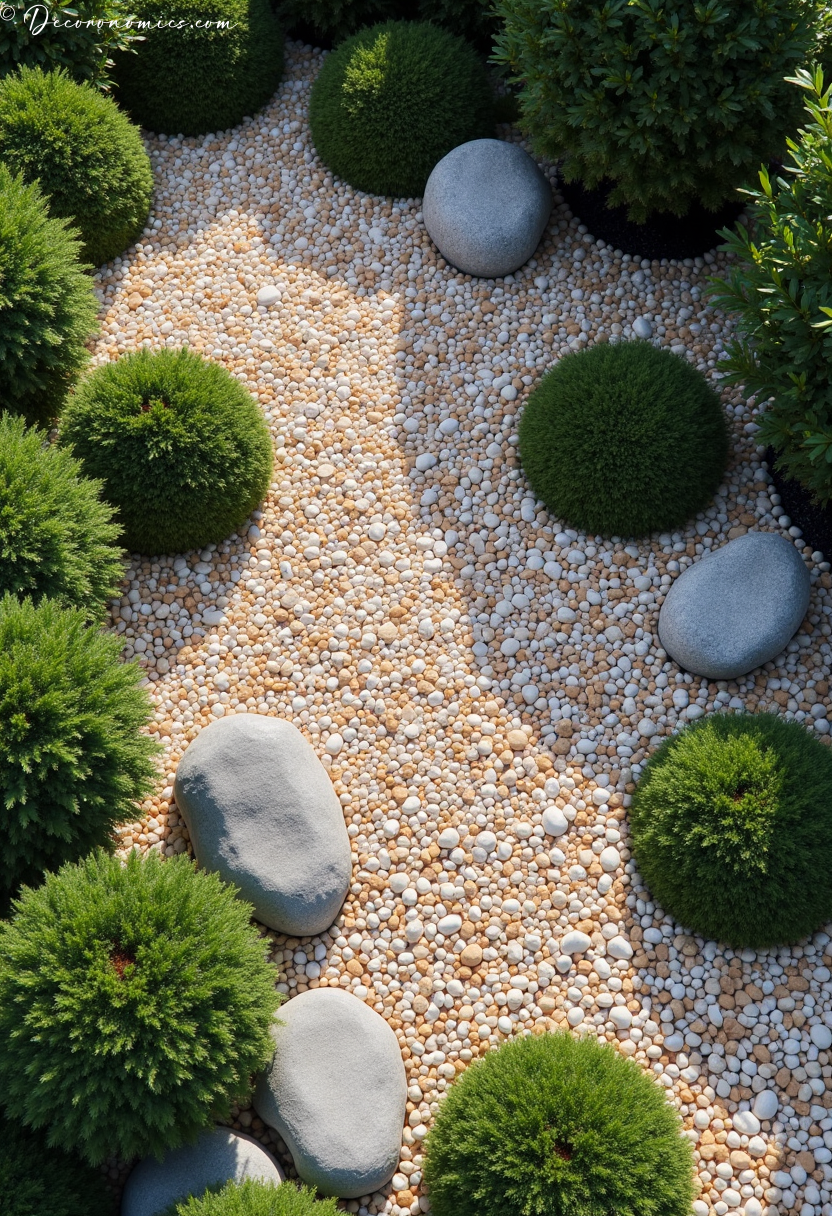
Modern & Minimalist Rock Gardens
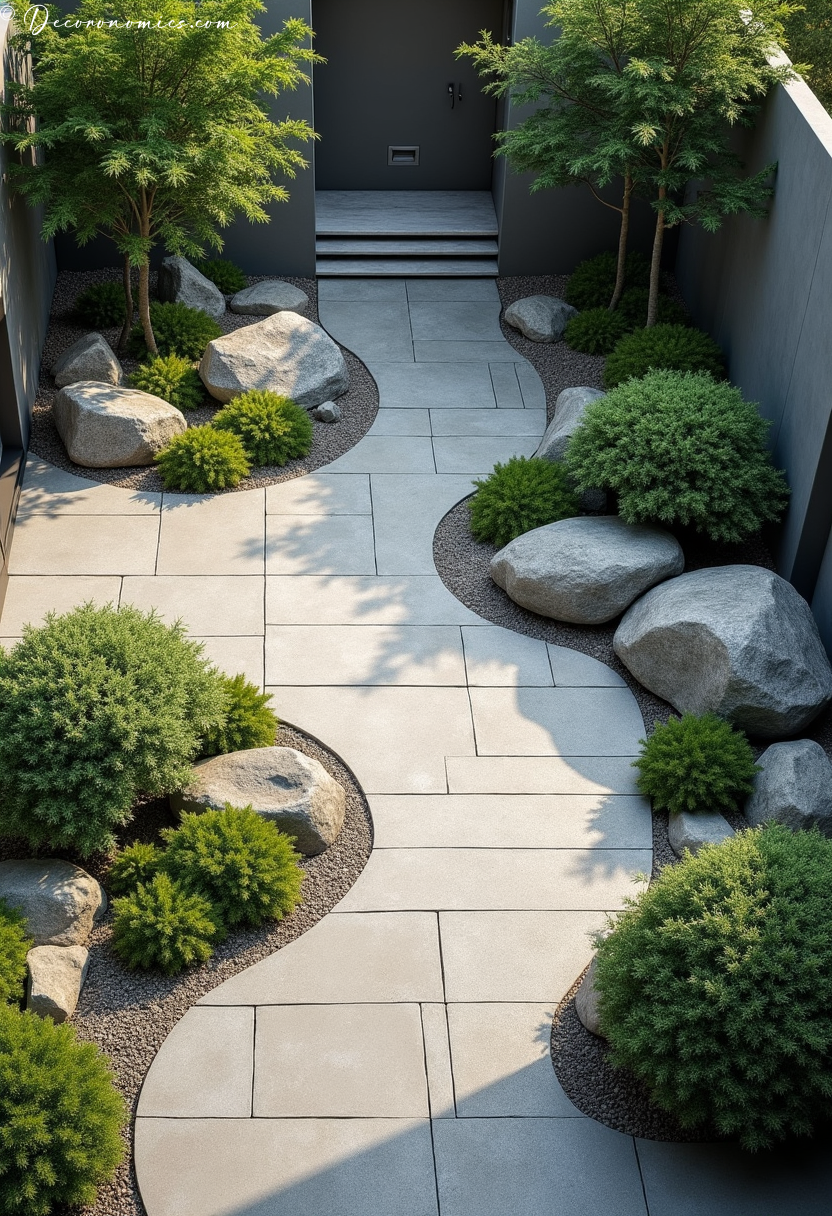
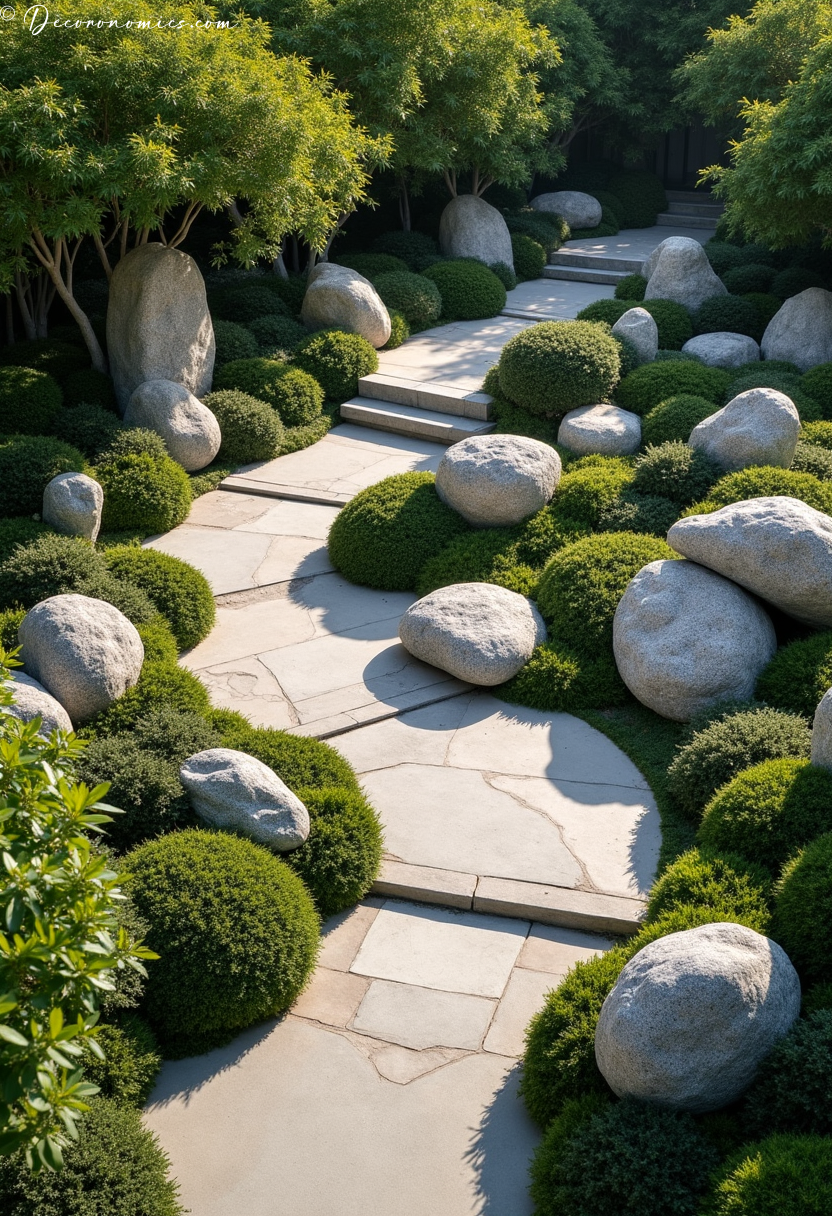
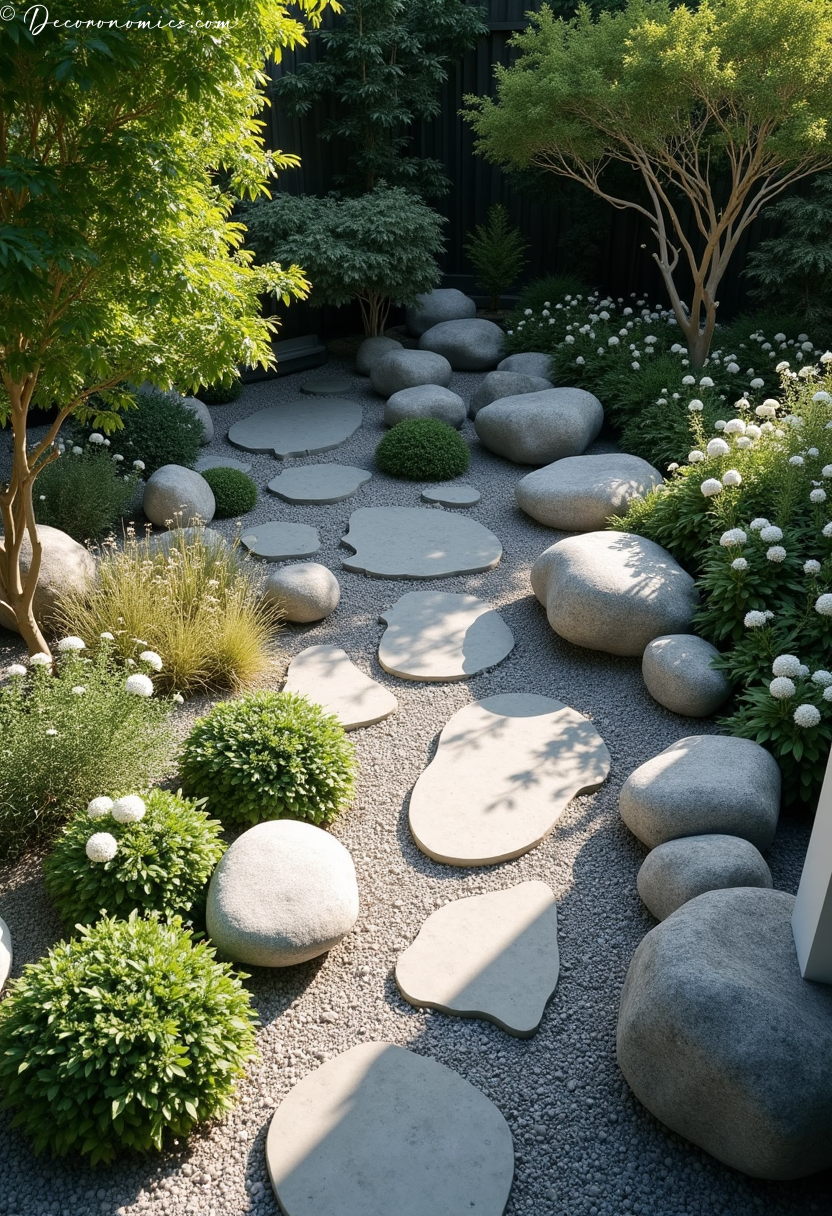
Contemporary rock gardens emphasize clean lines, geometric patterns, and restrained plant palettes. These designs bring rock gardening into the 21st century with bold, architectural statements.
Bold geometric minimalist design Modern artistic rock sculpture Sophisticated monochrome palette Intricate pebble mosaic art

Desert & Xeriscape Rock Gardens
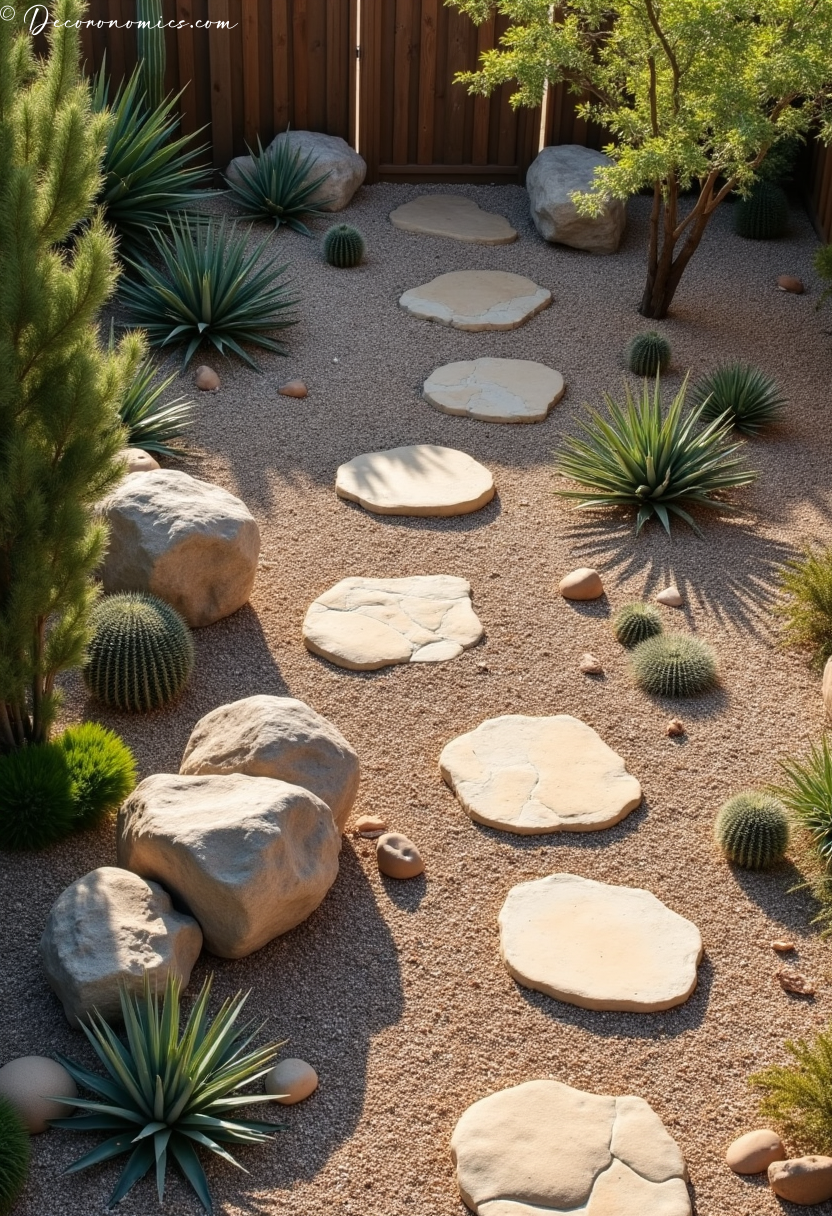
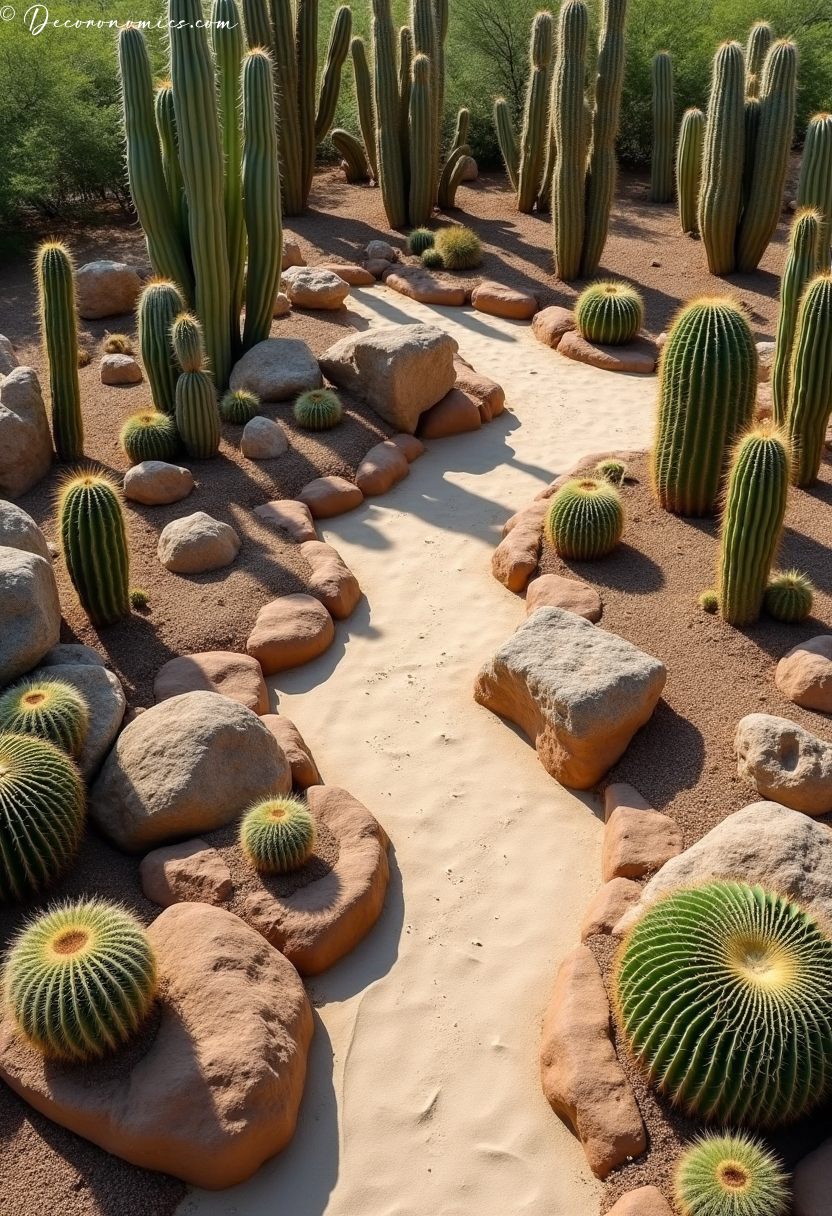
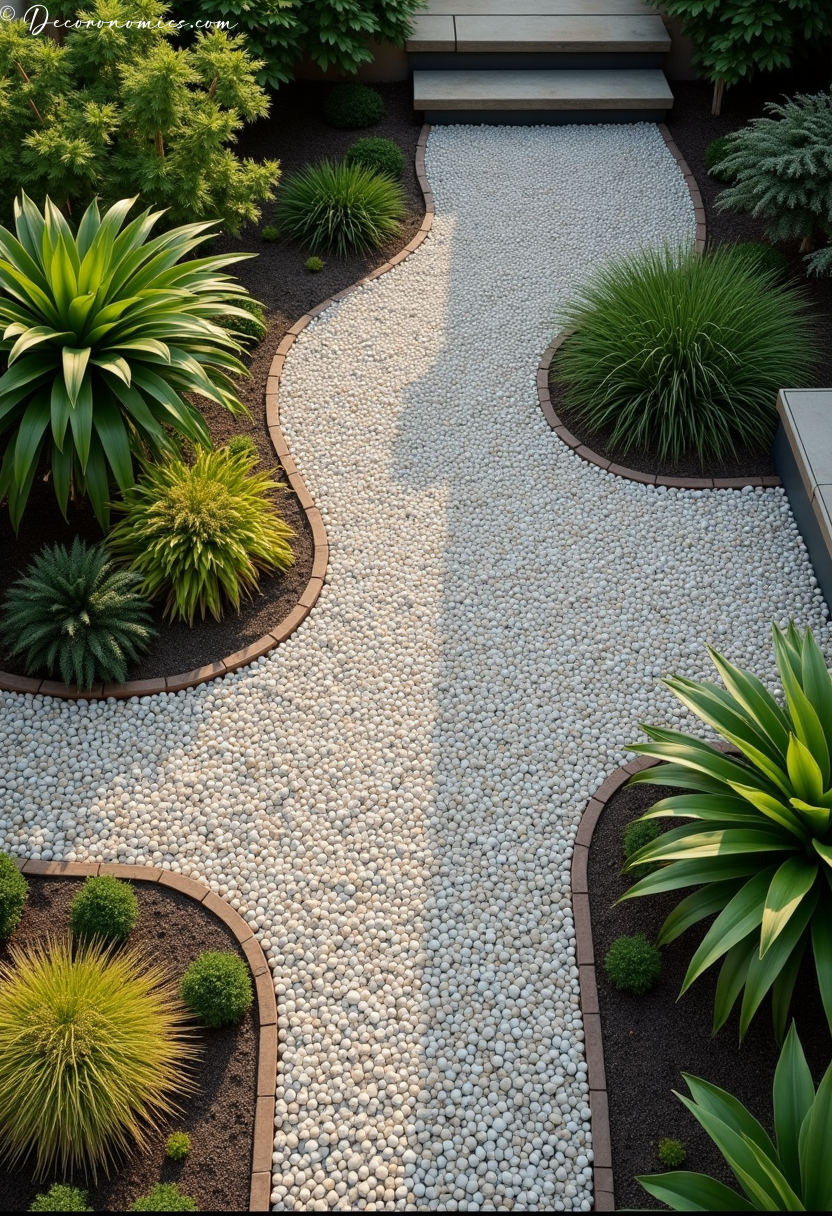
Perfect for arid climates or water-conscious gardeners, desert rock gardens celebrate drought-tolerant plants and minimize water use while creating stunning, low-maintenance landscapes.
Water-wise xeriscape design Stunning cactus collection Diverse succulent garden Textural gravel combinations

🌵 Xeriscape Success Tips:
Group plants by water needs • Use decomposed granite or crushed rock mulch • Choose native desert plants adapted to your region • Create microclimates with boulder placement • Install drip irrigation for efficiency • Design for rain harvesting and runoff management
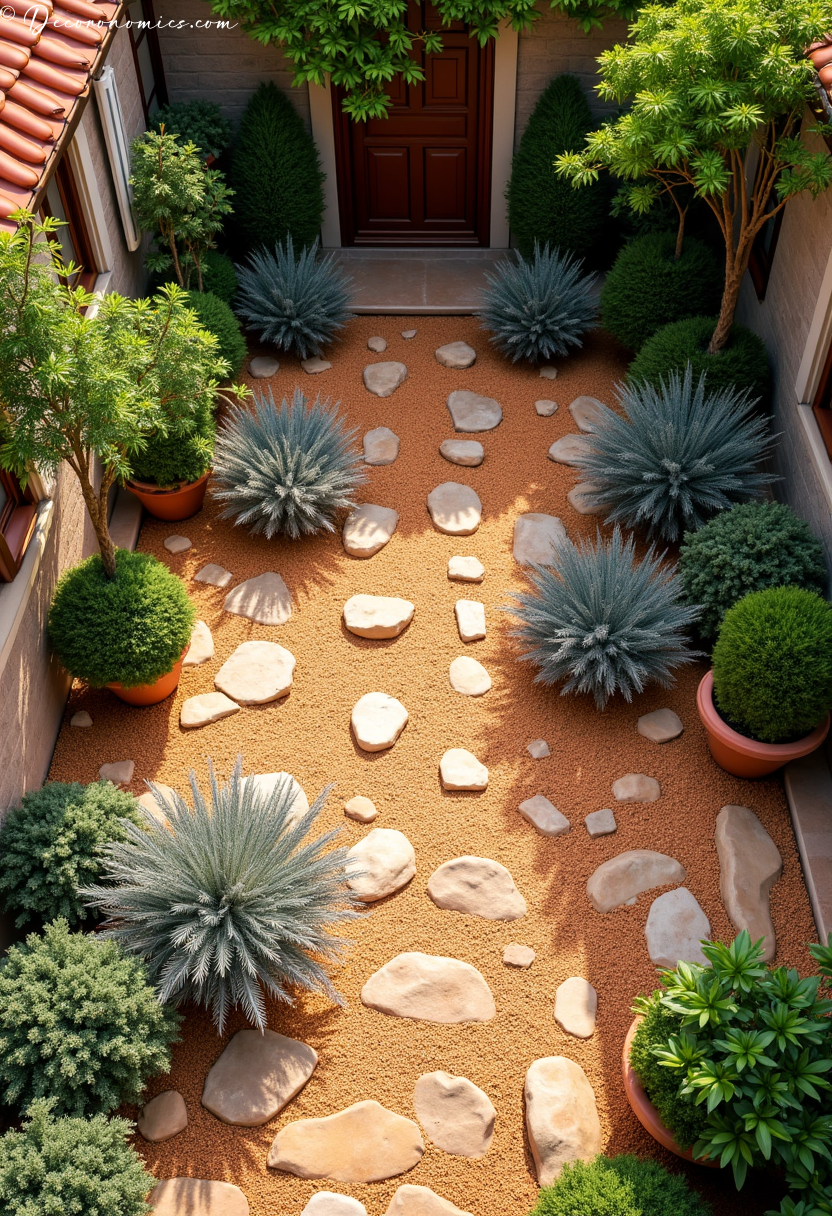
Mediterranean Rock Gardens
Mediterranean-style rock gardens evoke the sun-drenched hillsides of southern Europe with fragrant herbs, silvery foliage, and drought-adapted plants that thrive in heat and full sun.
Fragrant Mediterranean herbs
Woodland & Shade Rock Gardens
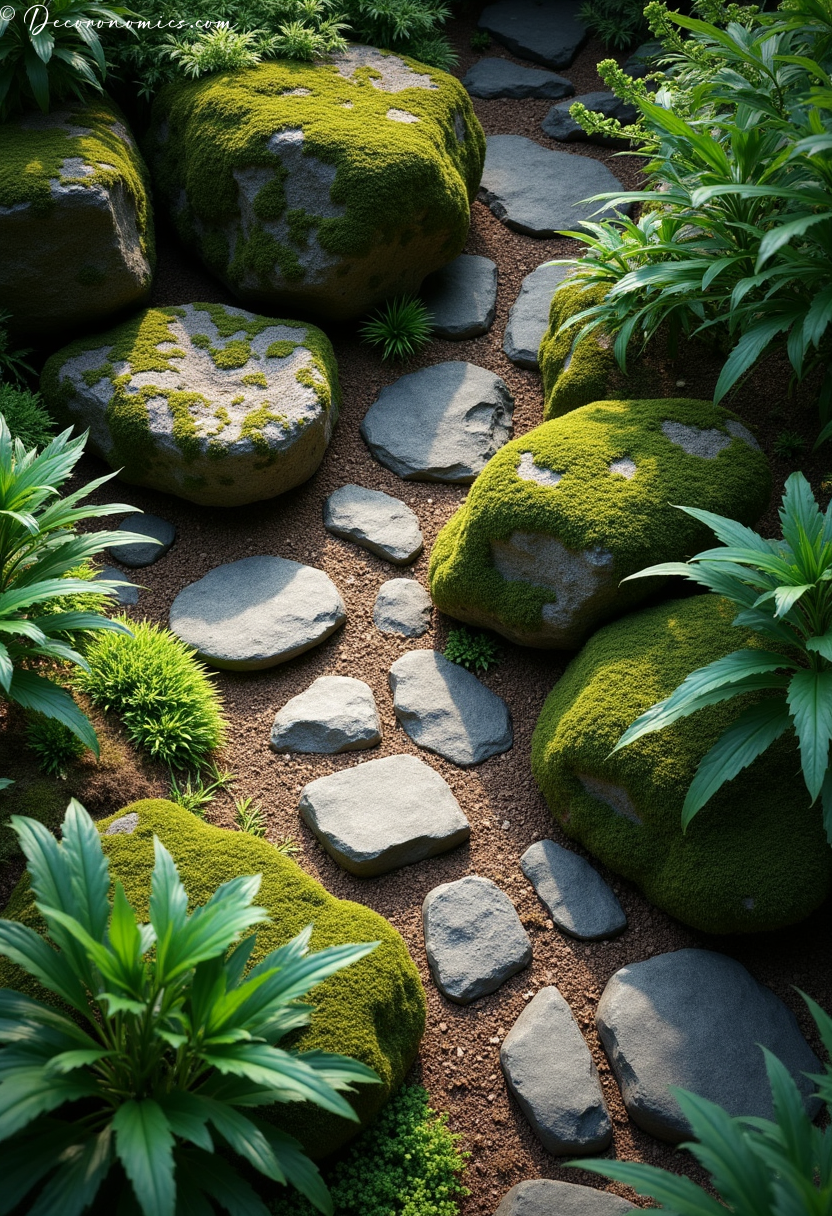
Not all rock gardens require full sun. Woodland rock gardens create beautiful, naturalistic settings under trees, featuring ferns, hostas, and shade-loving perennials among mossy stones.
Lush woodland fern garden Natural wilderness aesthetic

Water Feature Rock Gardens
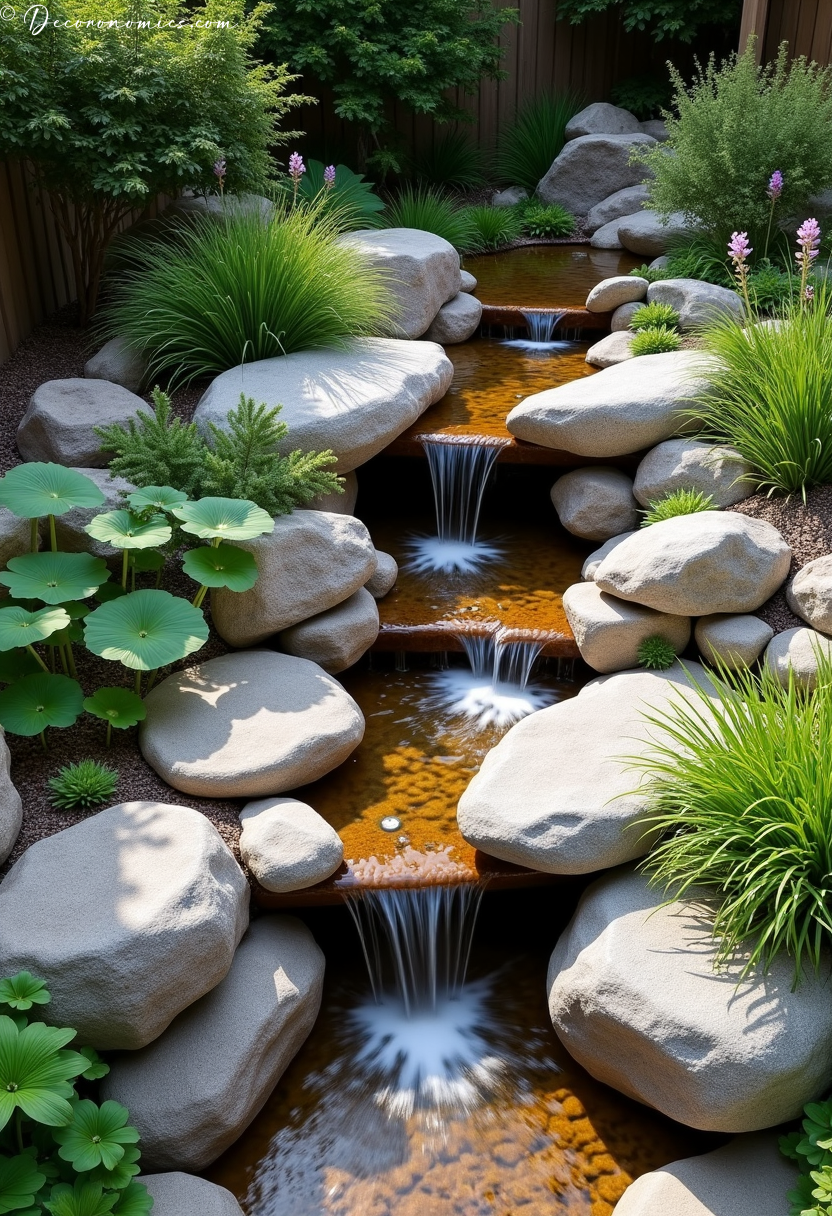
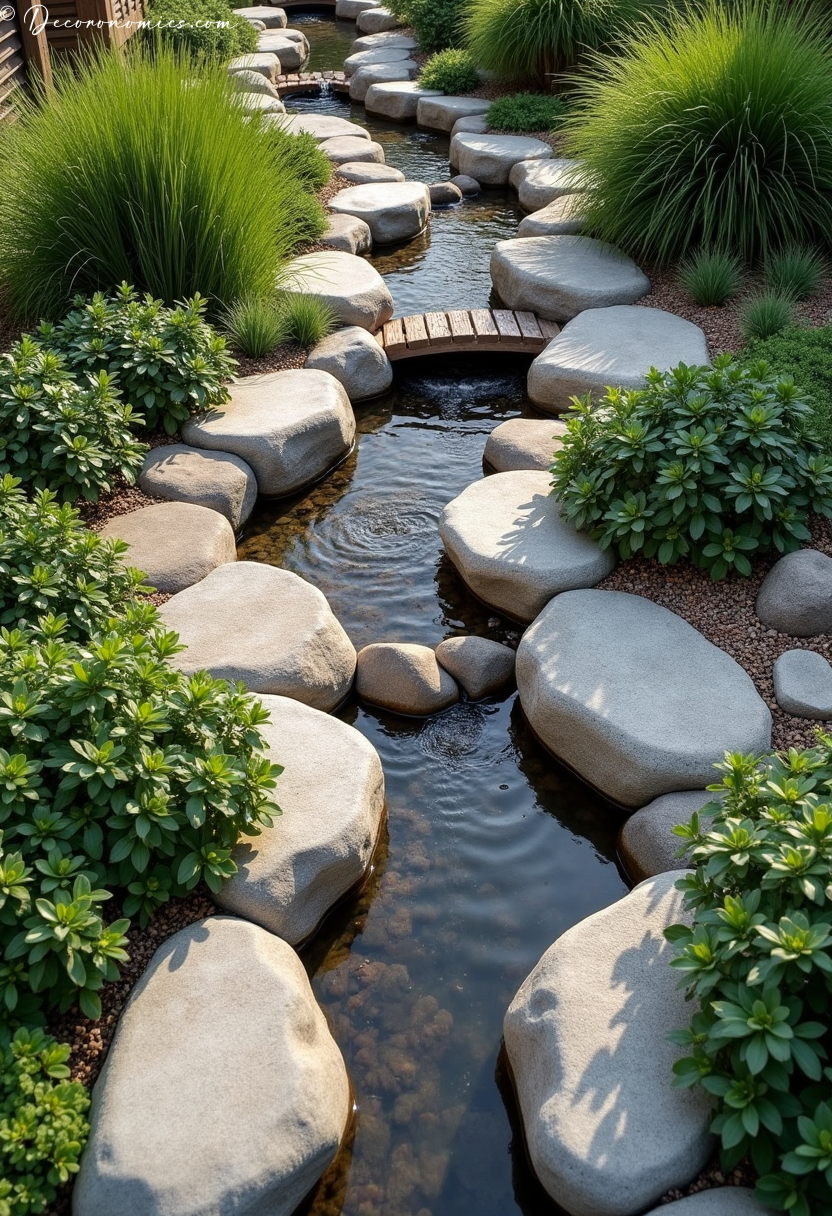
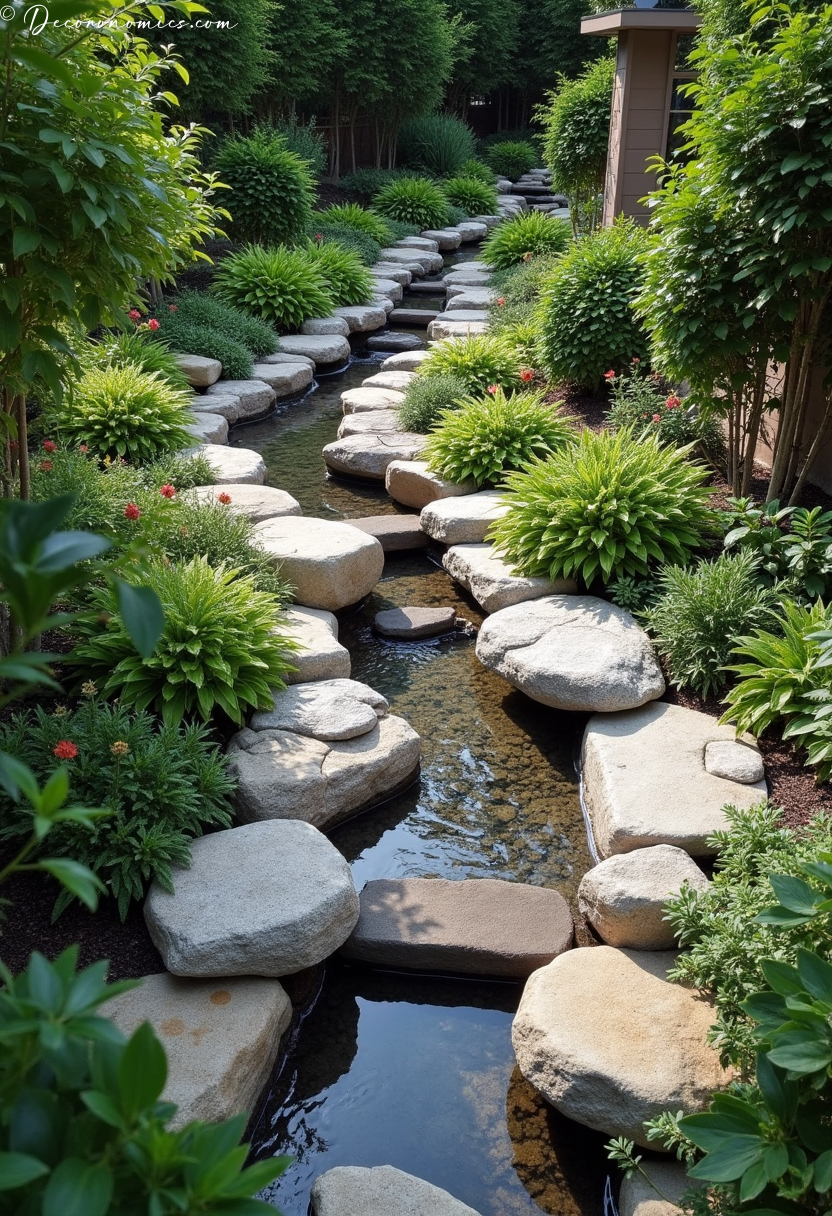
Combining rock gardens with water features creates dynamic, multi-sensory landscapes. From gentle streams to dramatic waterfalls, water adds movement, sound, and reflections.
Natural boulder waterfall Integrated pond edge design Dry riverbed for drainage Functional rain garden

Cottage-Style Flowering Rock Gardens
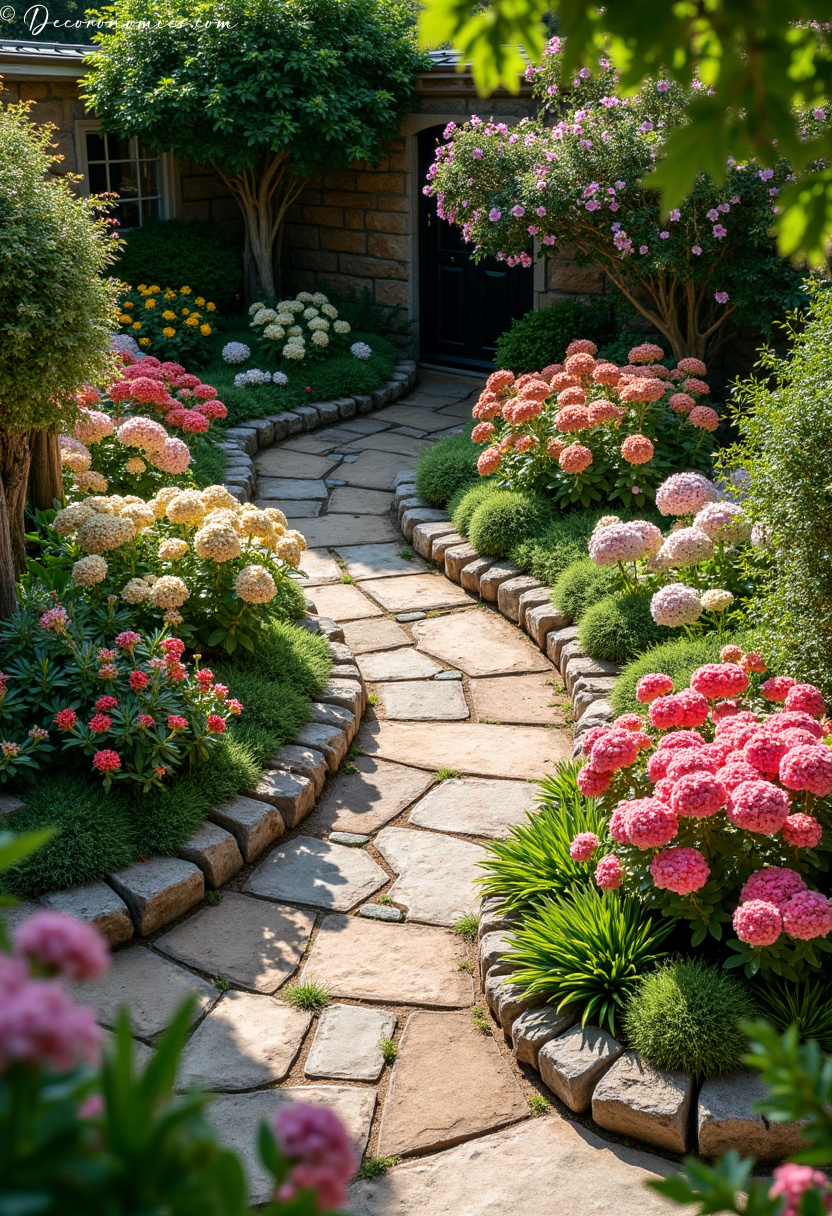
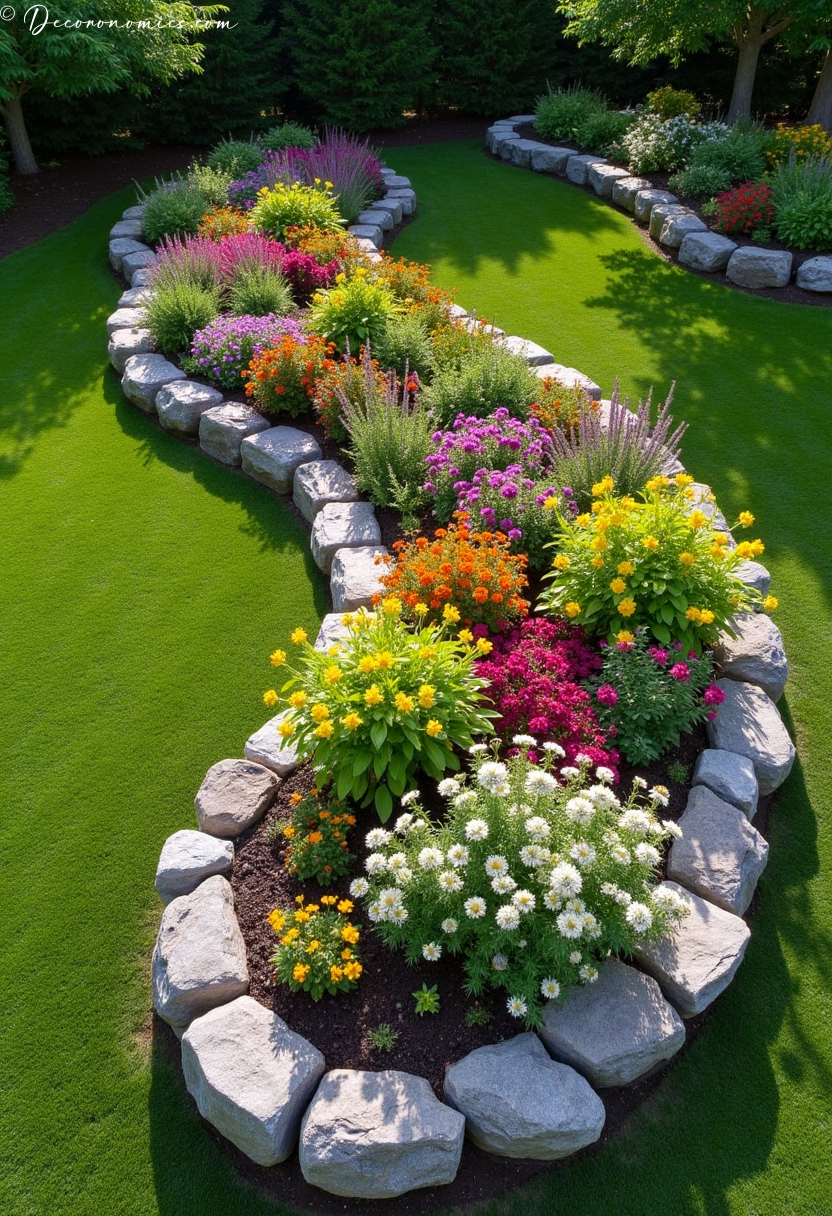
For those who love abundant color, cottage-style rock gardens combine the structure of stone with profusions of colorful flowering perennials for a romantic, informal look.
Colorful cottage garden style Flowering perennial border Natural wildflower meadow
Groundcover Rock Gardens
Low-growing groundcovers create living carpets that flow around and over stones, softening hard edges while providing weed suppression and erosion control.
Sedum groundcover carpet Fragrant creeping thyme lawn
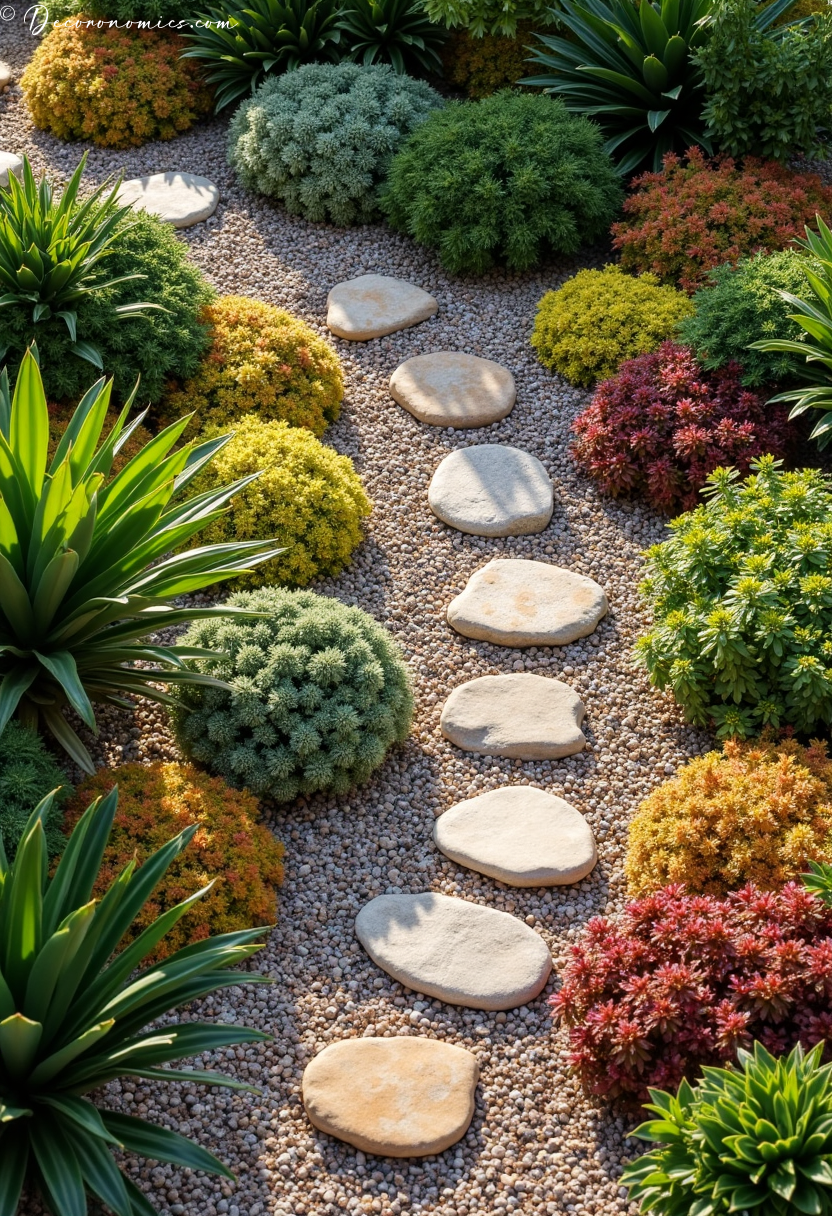

Evergreen & Conifer Rock Gardens
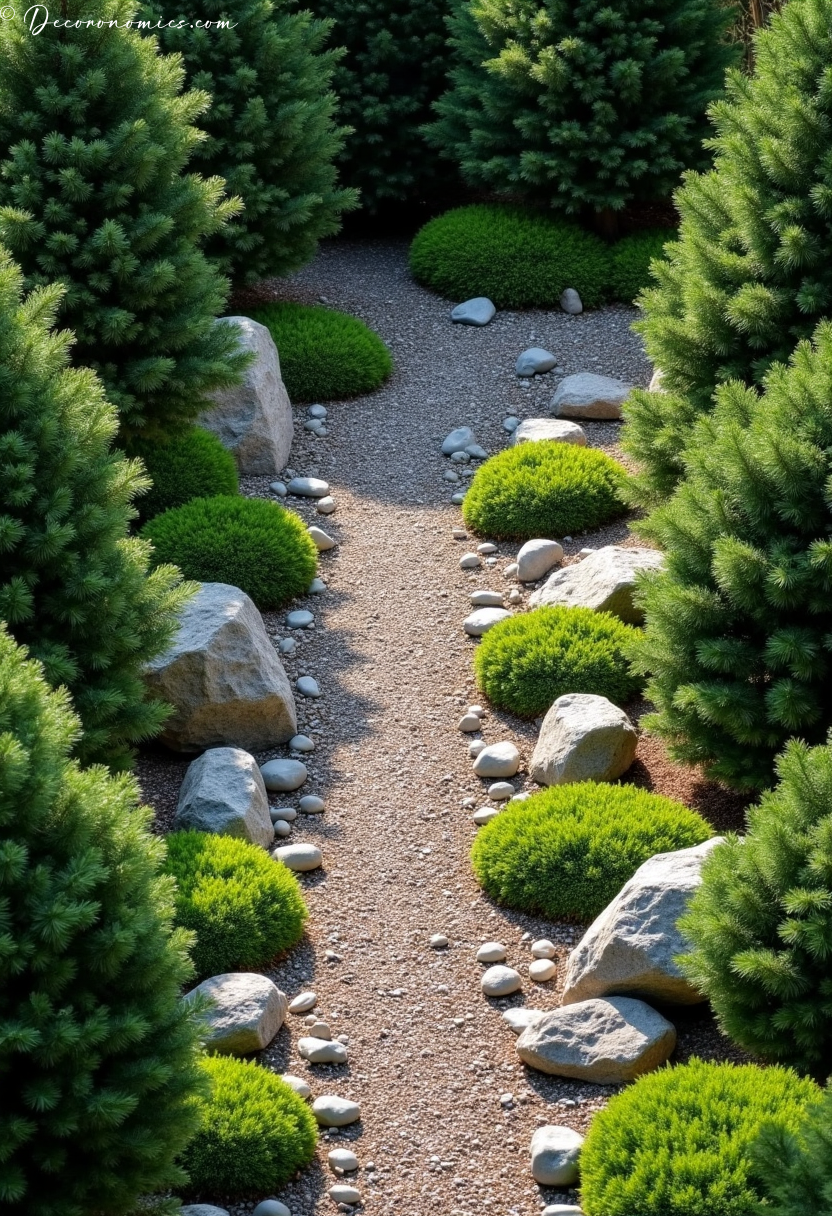
Dwarf conifers and evergreens provide year-round structure and color, creating interest even in winter when perennials have gone dormant.
Dwarf conifer collection
Functional Rock Gardens
Rock gardens aren’t just beautiful—they solve real landscape challenges. These designs address slopes, drainage, erosion, and other practical needs while creating stunning results.
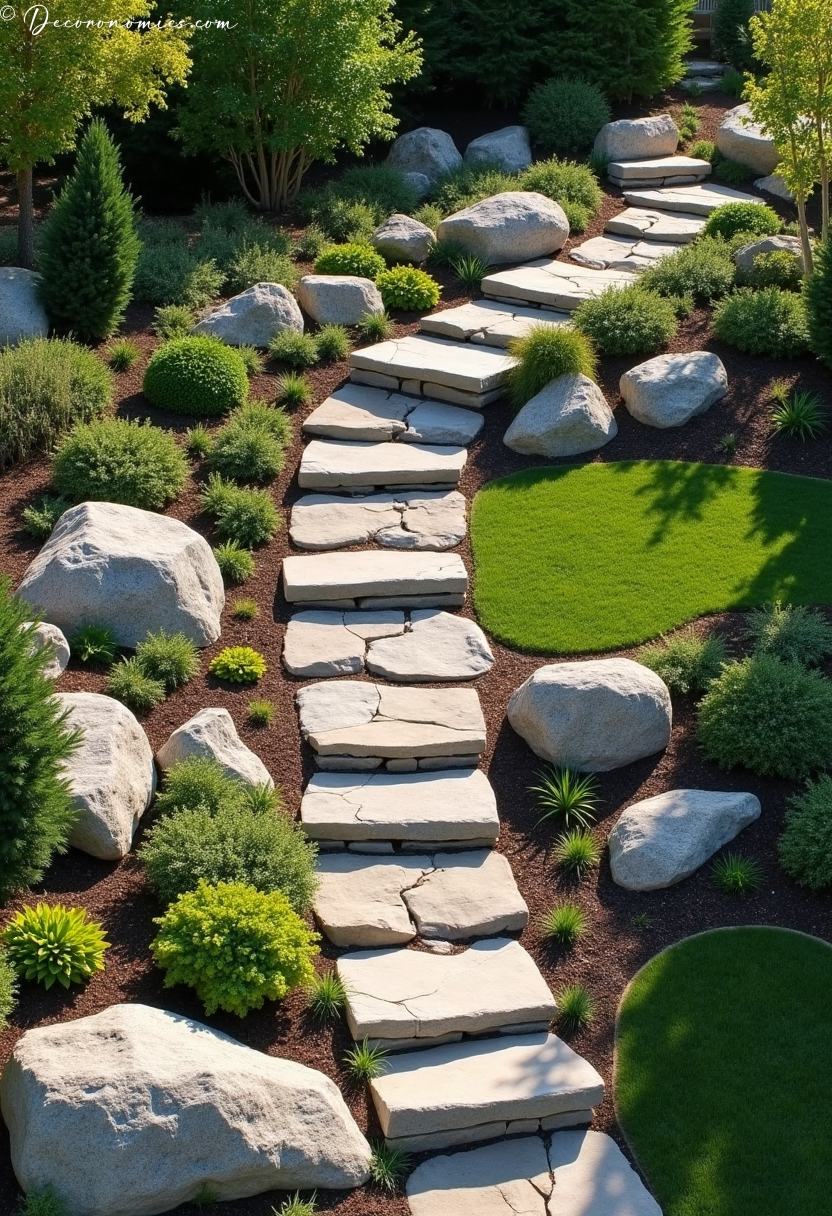
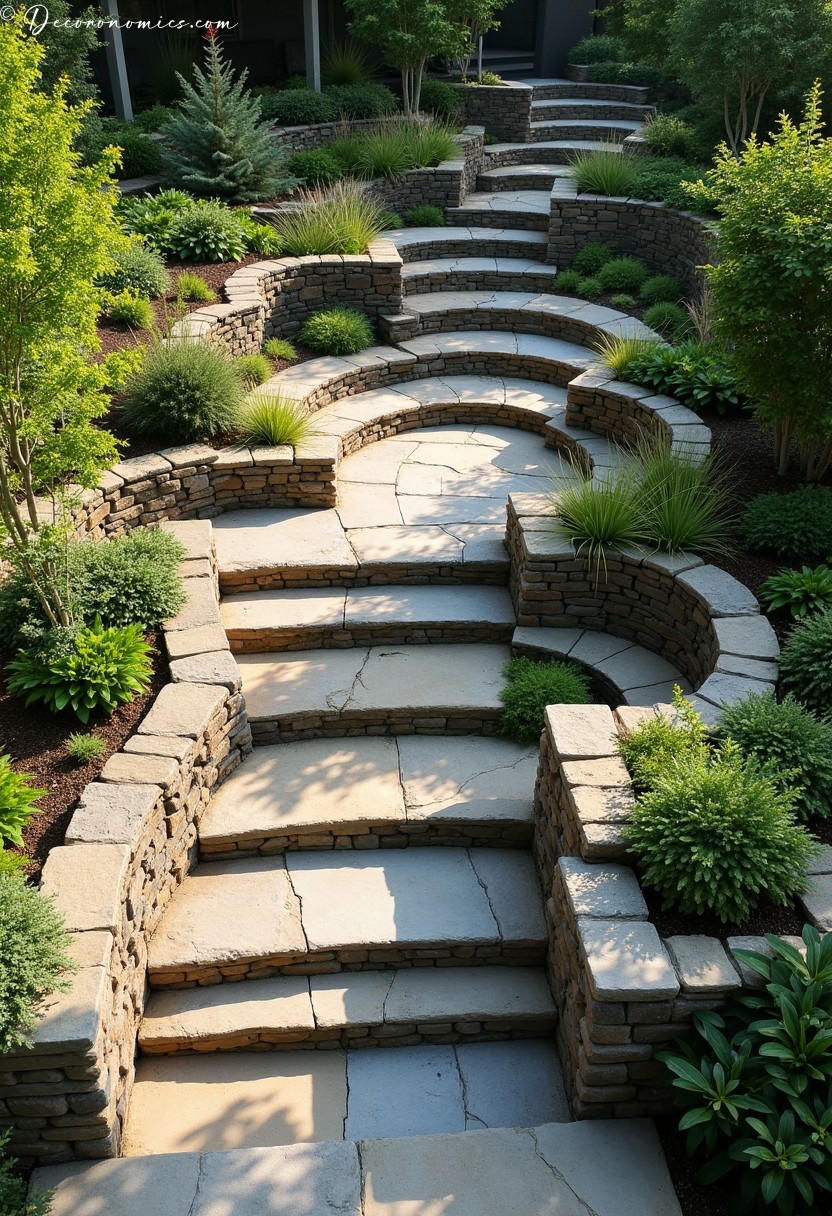
Slope & Erosion Control
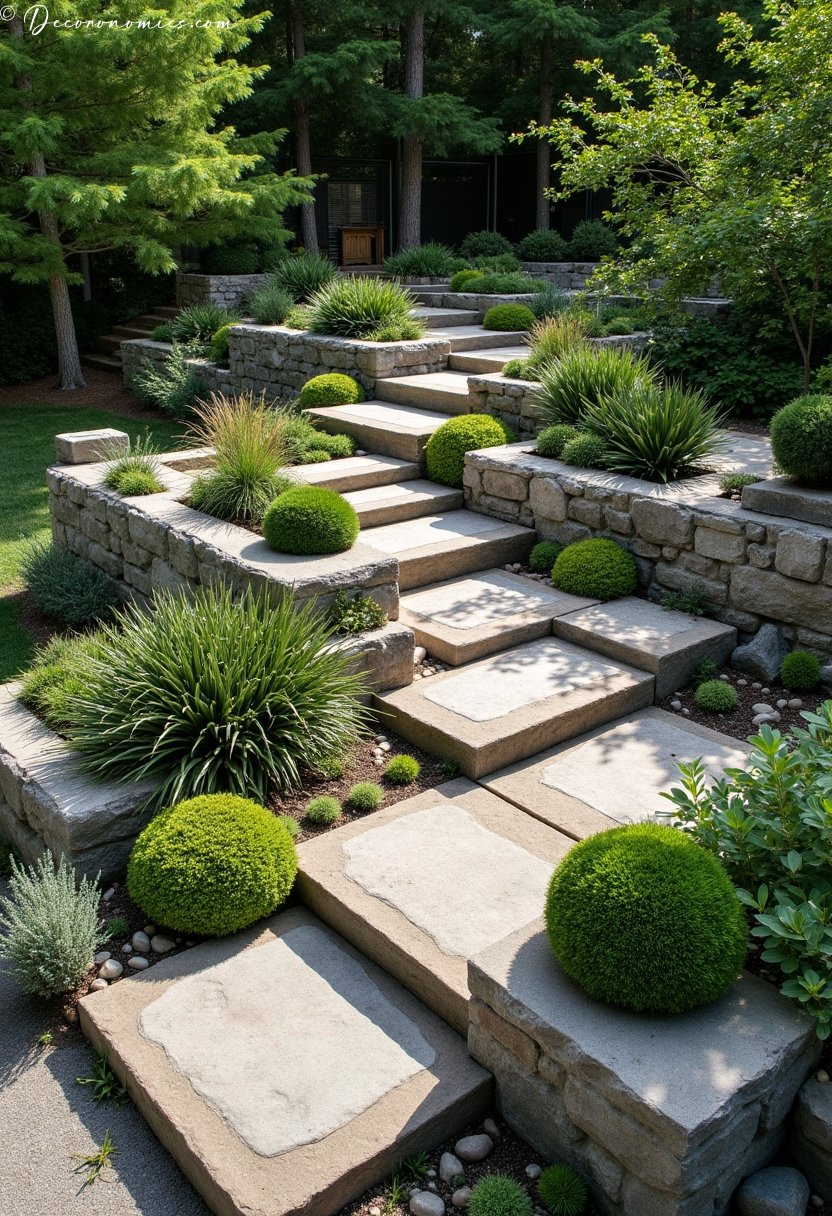
Erosion control on slope Terraced retaining wall system Vertical stone wall garden

Raised Beds & Elevated Gardens
Elevated raised bed design
Special Feature Rock Gardens
Add personality and purpose to your rock garden with thoughtful features that enhance both function and aesthetics.
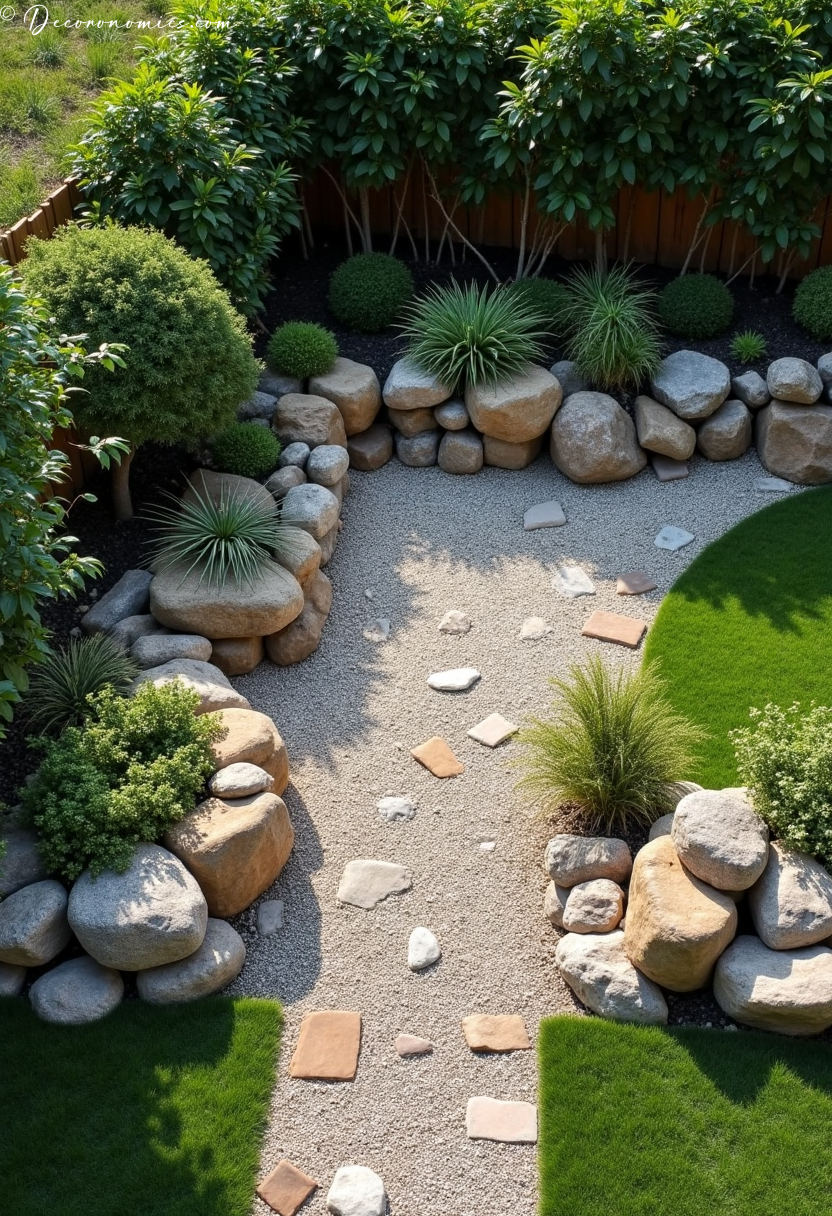
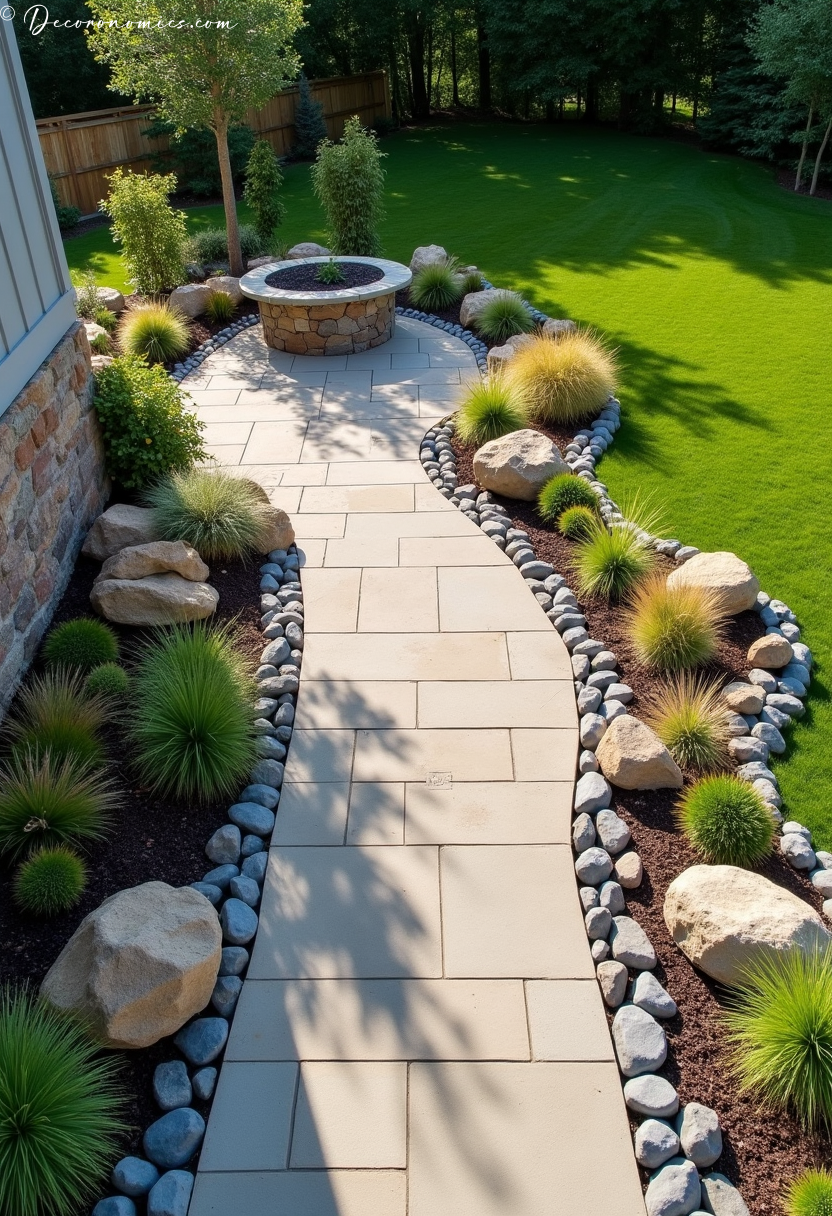
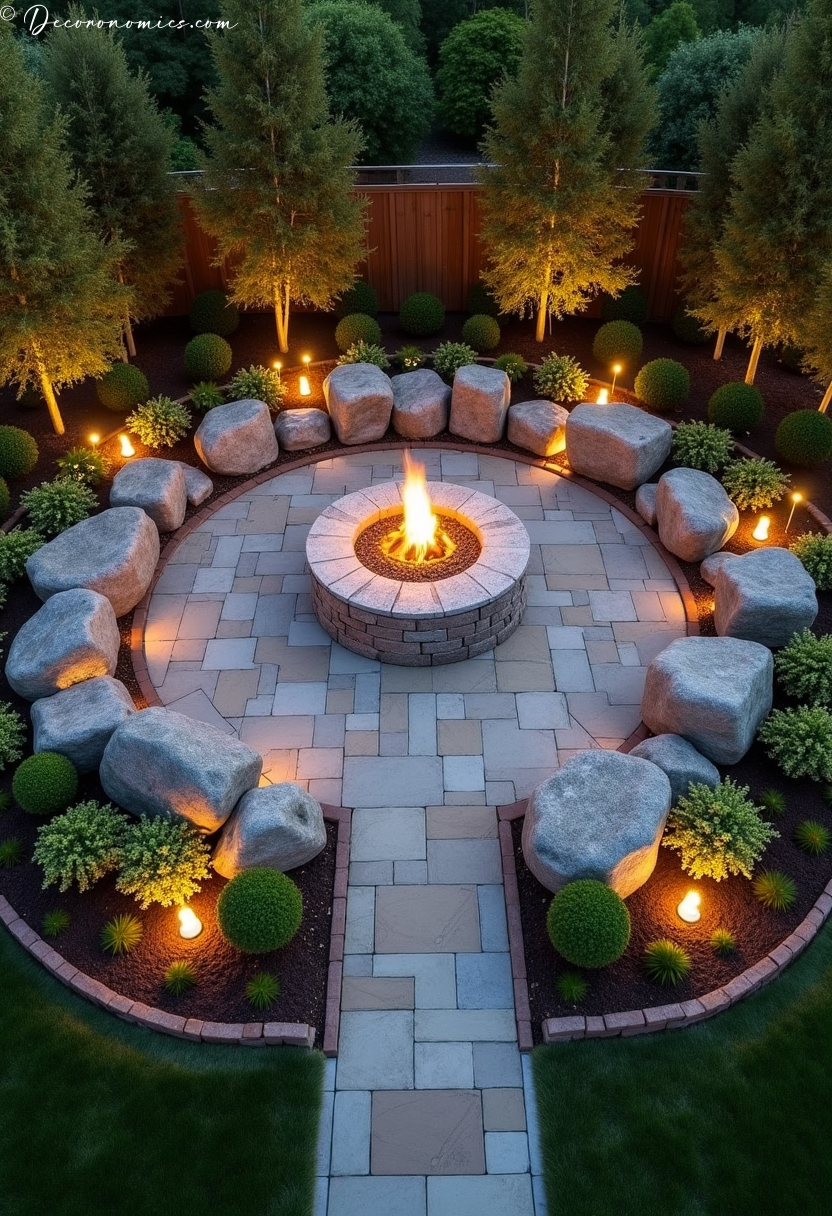
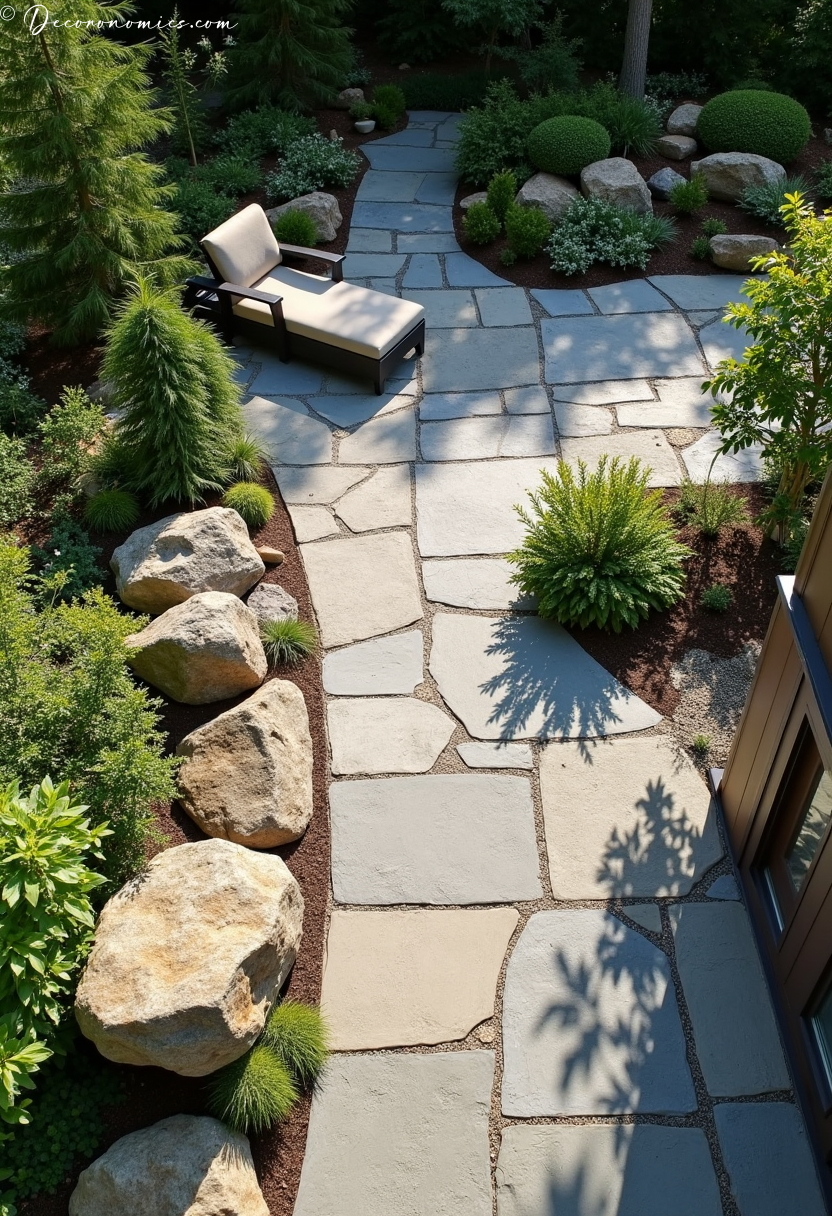
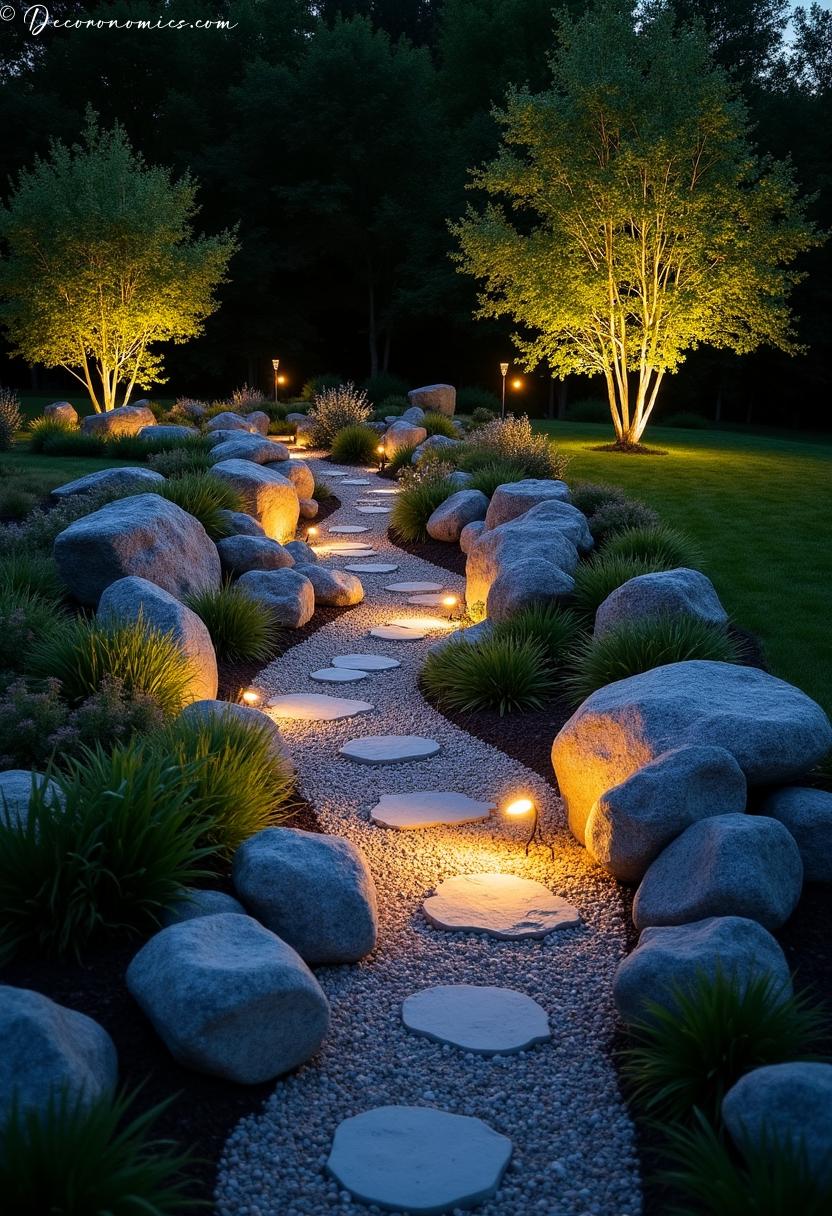
Stunning front yard design Corner transformation Patio edge integration Fire pit rock surround Integrated flagstone patio Sundial as focal point Dramatic night lighting


Pathways & Circulation
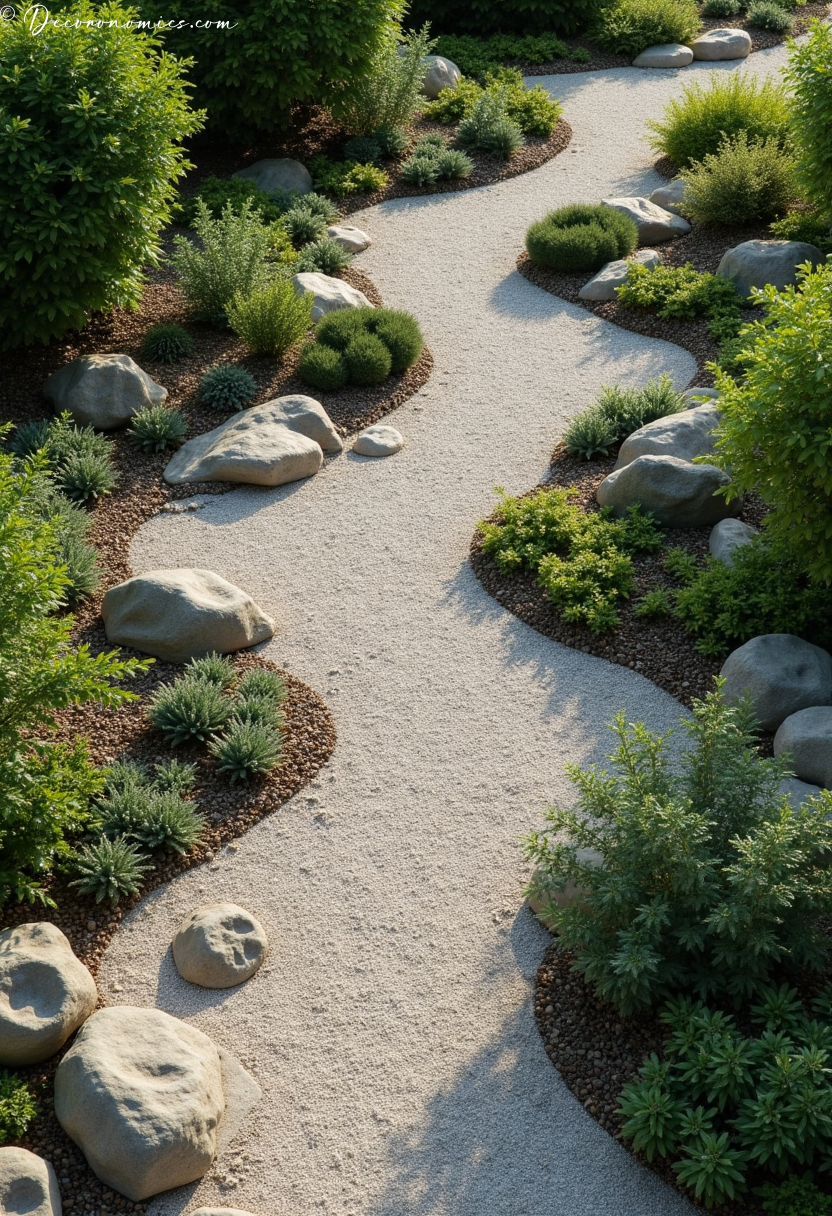
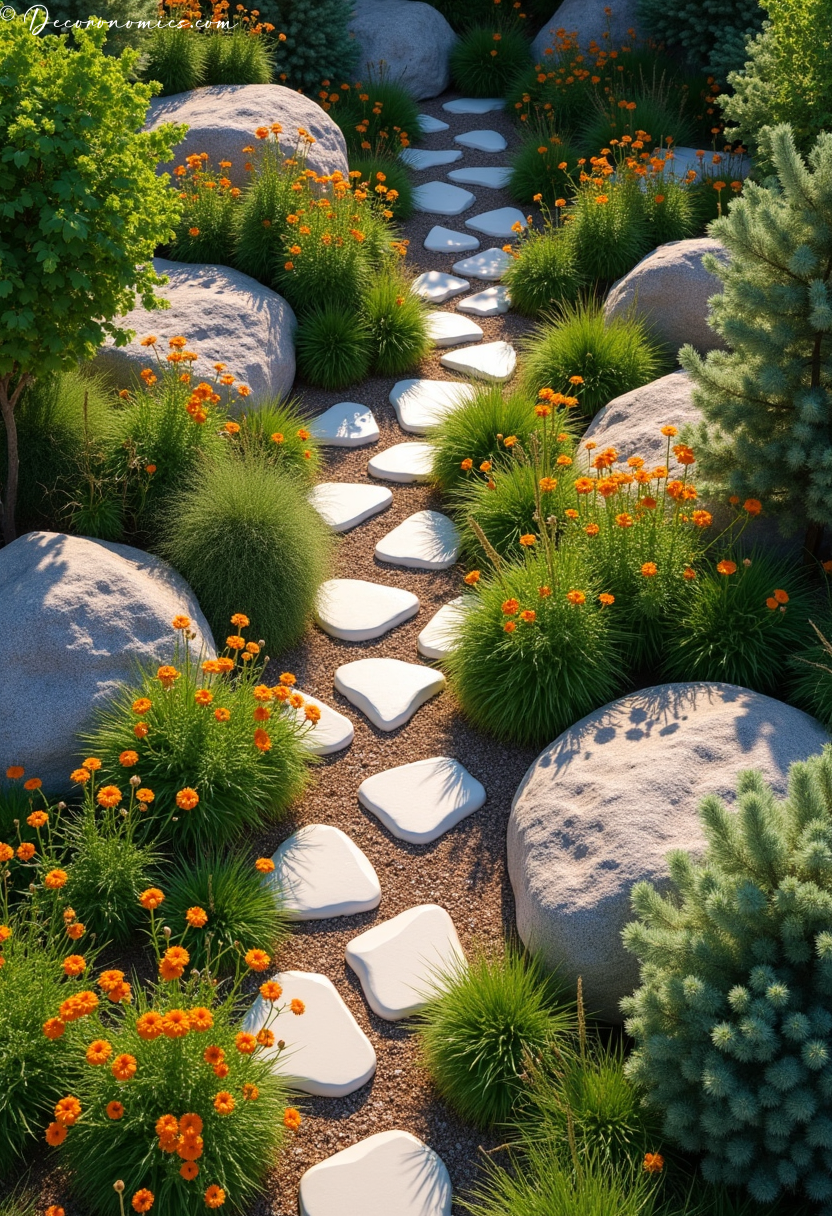
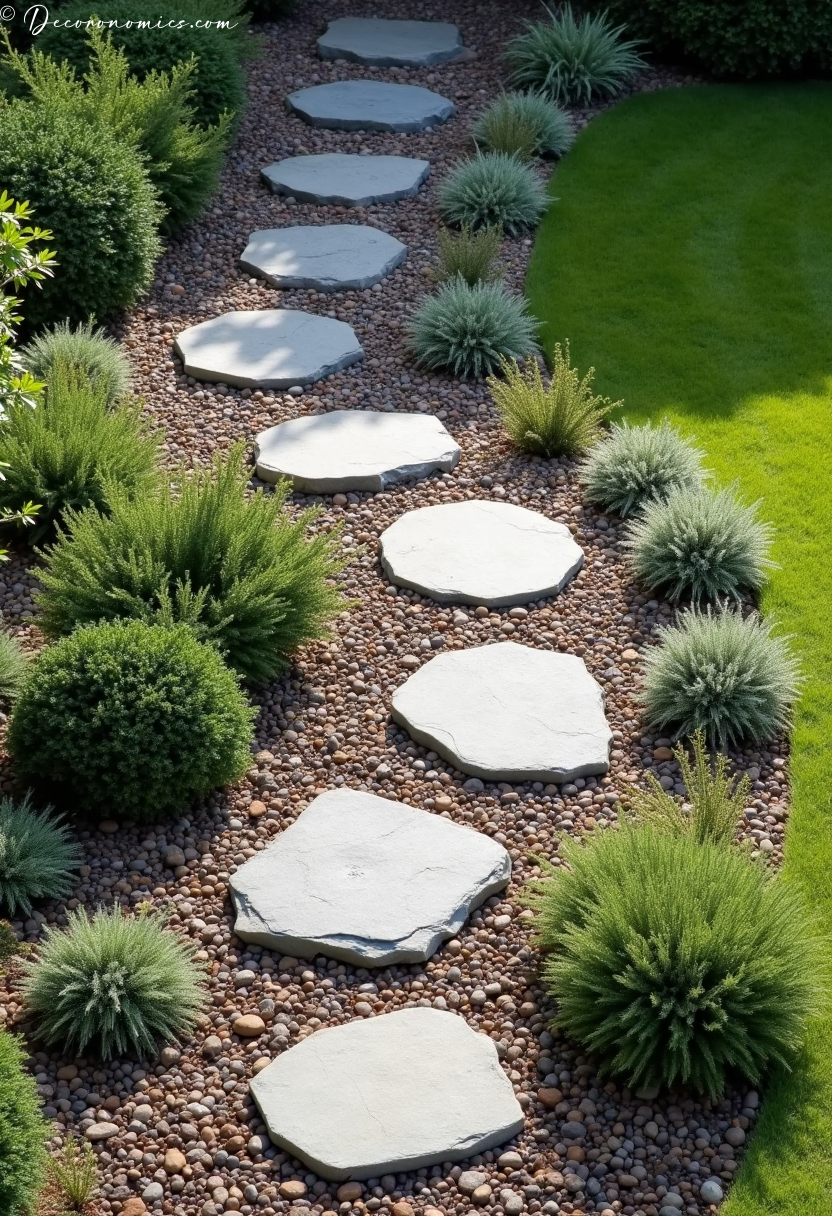
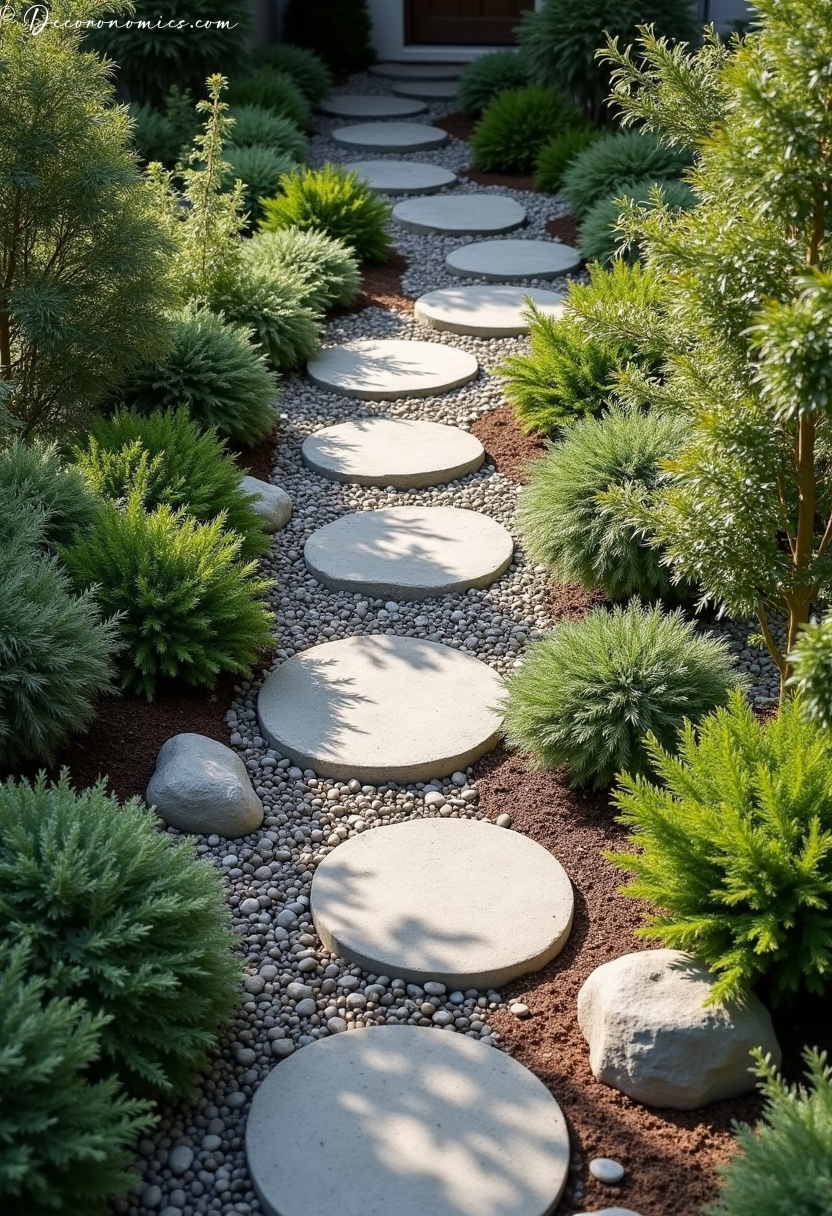
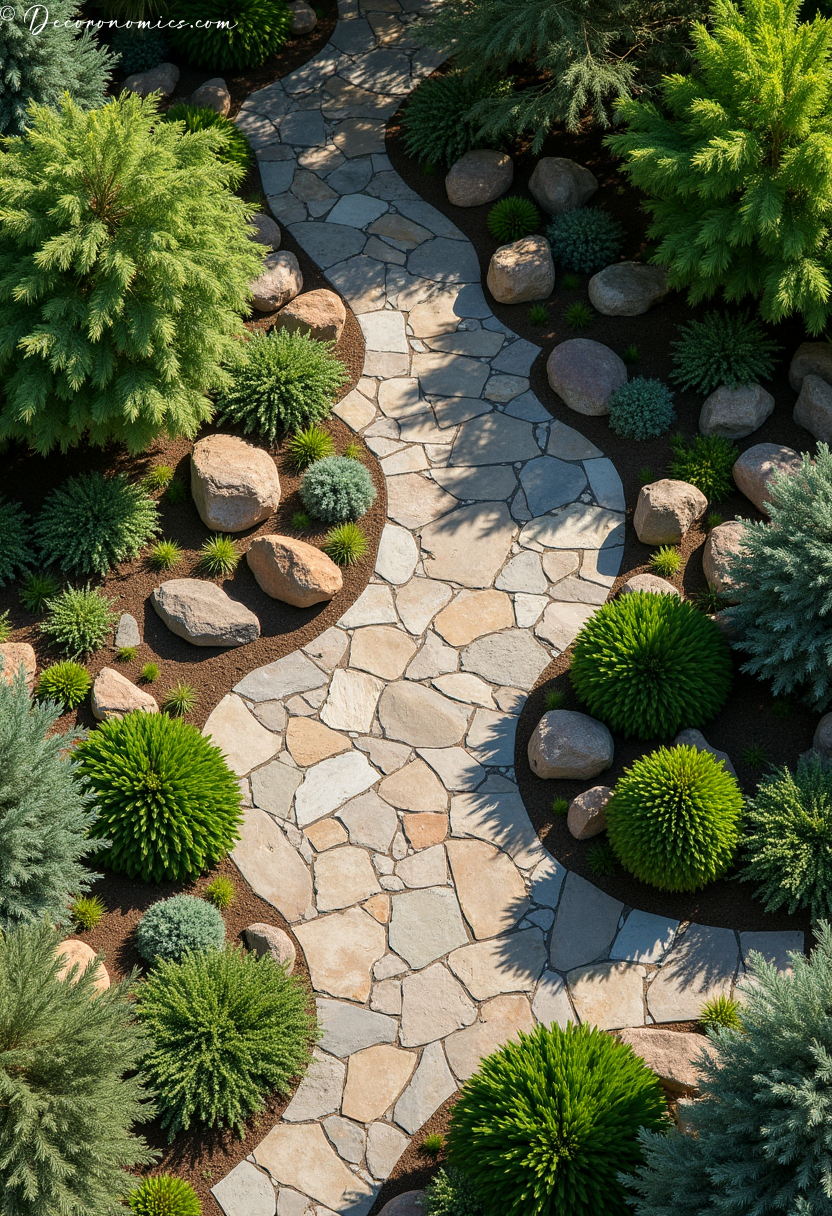
Thoughtful pathways invite exploration and provide access for maintenance while becoming beautiful design elements themselves.
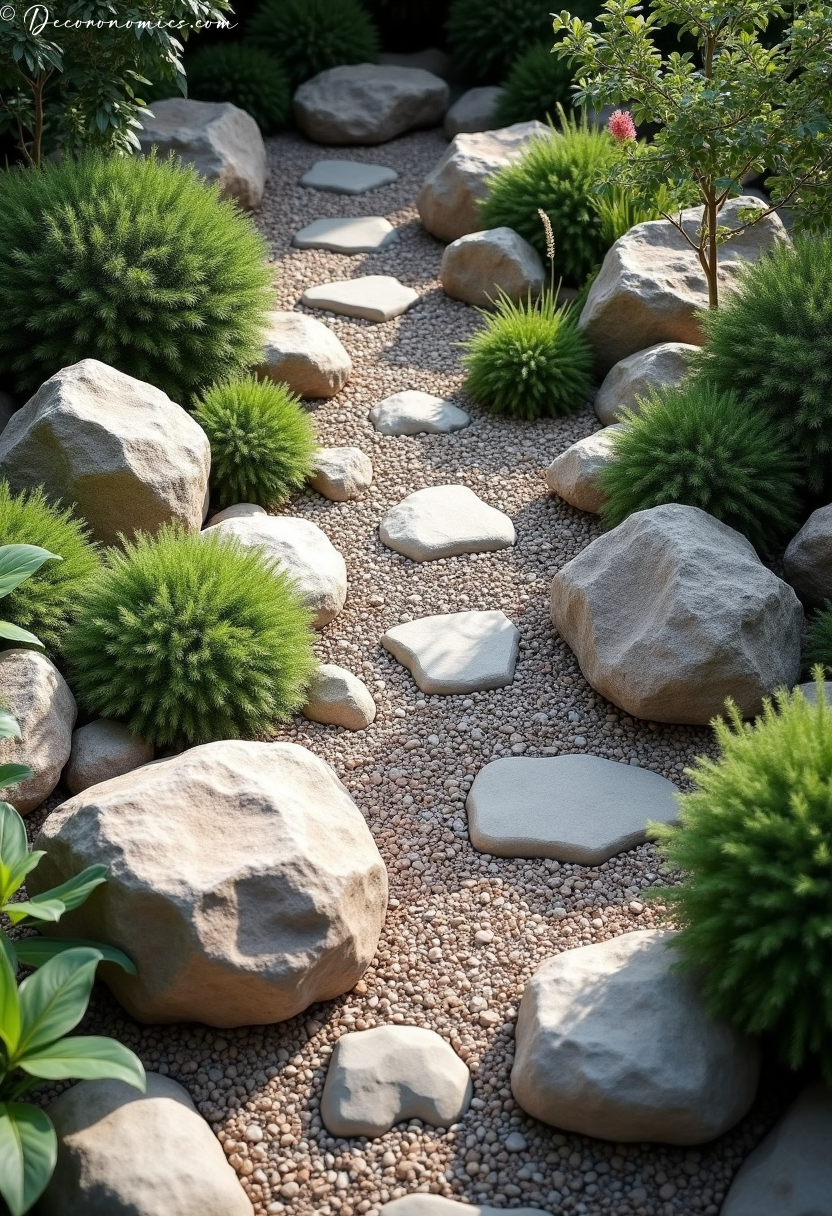
Meandering stone pathway Natural stepping stone path
Themed & Specialty Rock Gardens
Create unique atmospheres with themed designs that transport you to specific places or evoke particular moods.
Coastal beach-themed design Regional native plant focus Mixed stone size textures
How to Build a Rock Garden: Step-by-Step Guide
1. Planning & Design
- Assess Your Site: Evaluate sun exposure, drainage, slope, and existing conditions
- Define Your Style: Choose from alpine, zen, desert, cottage, or another aesthetic
- Sketch Your Design: Map out rock placement, plant locations, and pathways
- Consider Scale: Larger spaces need bigger rocks; small areas work with smaller stones
- Plan for Maintenance: Ensure access for weeding, watering, and plant care
2. Site Preparation
- Clear the Area: Remove existing grass, weeds, and debris
- Improve Drainage: Add drainage tile or gravel base if needed
- Grade the Slope: Create terraces or gentle contours as designed
- Install Edging: Define boundaries with metal, stone, or other edging
- Lay Landscape Fabric: Optional weed barrier beneath gravel areas
3. Rock Selection & Placement
- Choose Local Stone: Use native rock when possible for natural appearance
- Vary Sizes: Mix large anchor stones with medium and small rocks
- Bury One-Third: Set rocks with 1/3 underground for stability and natural look
- Create Strata: Angle rocks in same direction as if naturally deposited
- Form Crevices: Leave planting pockets between and behind rocks
- Step Back Often: View from all angles as you place stones
4. Soil Preparation
- Create Gritty Mix: Blend garden soil, compost, and coarse sand or perlite
- Ensure Drainage: Alpine and desert plants need excellent drainage
- Fill Pockets: Pack soil firmly around rocks and in planting crevices
- Top-Dress: Add gravel mulch to suppress weeds and conserve moisture
5. Plant Selection & Installation
- Choose Appropriate Plants: Match plants to sun, soil, and water conditions
- Consider Mature Size: Account for plant spread and height
- Plant in Drifts: Group plants of same species for impact
- Vary Heights: Create visual interest with different plant heights
- Include Evergreens: Ensure year-round structure and interest
- Plant Strategically: Place sun-lovers on south faces, shade plants behind rocks
6. Finishing Touches
- Add Pathways: Install stepping stones or gravel paths
- Install Features: Add water features, lighting, or sculptures
- Mulch Thoroughly: Cover soil with gravel, stone chips, or bark
- Water Deeply: Soak new plantings; establish watering schedule
- Be Patient: Rock gardens mature over time as plants fill in
Best Plants for Rock Gardens
🌸 Alpine & Rock Garden Classics
- Saxifraga (Saxifrage): Cushion-forming perennials with delicate flowers
- Sempervivum (Hens and Chicks): Drought-tolerant succulent rosettes
- Sedum: Diverse genus with options for sun and shade
- Dianthus (Alpine Pinks): Fragrant flowers, gray-green foliage
- Aubrieta: Cascading purple, pink, or blue flowers
- Campanula (Bellflower): Blue or white bell-shaped blooms
- Phlox subulata (Creeping Phlox): Carpet-forming spring bloomer
- Armeria (Thrift): Grass-like foliage, pompom flowers
🌿 Groundcovers for Rock Gardens
- Thymus (Thyme): Fragrant, walkable, drought-tolerant
- Ajuga (Bugleweed): Fast-spreading, shade-tolerant
- Veronica (Speedwell): Low mats with flower spikes
- Mazus: Tiny leaves, purple flowers, tolerates light foot traffic
🌵 Desert & Xeriscape Plants
- Agave: Architectural succulents for dramatic impact
- Yucca: Spiky foliage, tall flower stalks
- Echeveria: Colorful succulent rosettes
- Delosperma (Ice Plant): Bright flowers, succulent foliage
- Native Cacti: Choose species appropriate to your region
🌲 Dwarf Conifers & Evergreens
- Picea (Dwarf Spruce): Various colors and growth habits
- Juniperus (Dwarf Juniper): Blue, green, or gold foliage
- Pinus mugo (Dwarf Mountain Pine): Compact, hardy evergreen
- Chamaecyparis (Dwarf False Cypress): Fine-textured foliage
Rock Garden Maintenance Calendar
Spring
- Remove winter debris and dead foliage
- Refresh gravel mulch as needed
- Divide overcrowded perennials
- Plant new additions
- Apply slow-release fertilizer sparingly
- Begin regular weeding schedule
Summer
- Water during extended dry periods
- Deadhead spent flowers to encourage rebloom
- Monitor for pests and diseases
- Weed regularly while small
- Take cuttings for propagation
Fall
- Plant spring-blooming bulbs in crevices
- Divide and transplant perennials
- Cut back dead perennial foliage
- Add new plants while soil is warm
- Prepare tender plants for winter
Winter
- Protect marginally hardy plants if needed
- Enjoy evergreen structure
- Plan next season’s additions and changes
- Order plants and materials for spring
Common Rock Garden Mistakes to Avoid
⚠️ Avoid These Pitfalls:
- Poor Drainage: The #1 killer of rock garden plants—ensure excellent drainage
- Wrong Stone Orientation: Placing rocks randomly instead of mimicking natural strata
- Inadequate Rock Burial: Stones sitting on surface look artificial—bury 1/3 depth
- Choosing Wrong Plants: Using thirsty perennials in a xeriscape or sun-lovers in shade
- Overcrowding: Planting too densely—give plants room to spread
- Neglecting Weeding: Weeds establish quickly—stay on top of them when small
- Using All Same-Size Rocks: Vary rock sizes for natural appearance
- Skipping Mulch: Gravel mulch suppresses weeds and conserves moisture
- Overwatering: Most rock garden plants prefer drier conditions once established
- No Planning: Diving in without a design leads to disappointing results
Rock Garden Design Principles
Create Natural-Looking Arrangements
The best rock gardens look as if nature placed the stones. Study natural rock formations in your area and mimic how stones naturally occur—with similar orientation, strata angles, and weathering patterns.
Use the Right Rock-to-Plant Ratio
A good rule of thumb is 60-70% rock and 30-40% plants. The stones should dominate initially, with plants filling in over time to create balance.
Create Visual Flow
Arrange rocks and plants to guide the eye through the garden. Use repeating elements, varying heights, and strategic plant placement to create rhythm and movement.
Consider All Seasons
Design for year-round interest with evergreens for winter structure, spring bulbs, summer flowers, and fall color. Don’t forget beautiful seed heads and interesting branch patterns.
Your Rock Garden Journey Begins
Creating a rock garden is both an art and a science—combining practical knowledge of plants and drainage with aesthetic vision and patience. Whether you’re transforming a challenging slope, creating a water-wise landscape, designing a meditation space, or simply bringing natural beauty closer to home, rock gardens offer endless possibilities for creativity and personal expression.
Start with careful planning, choose your style, select appropriate plants, and place stones thoughtfully. Remember that rock gardens evolve and improve over time as plants mature, settle into their niches, and create the naturalistic beauty that makes these gardens so compelling.
Which rock garden style calls to you? Will you create an alpine meadow, a zen retreat, a desert xeriscape, or blend multiple styles into your own unique design? The stones are waiting, the plants are ready—it’s time to begin creating your rock garden masterpiece.
📌 Save this comprehensive guide to Pinterest! Follow us for more landscaping inspiration, plant recommendations, and garden design expertise.
Leave a Reply